
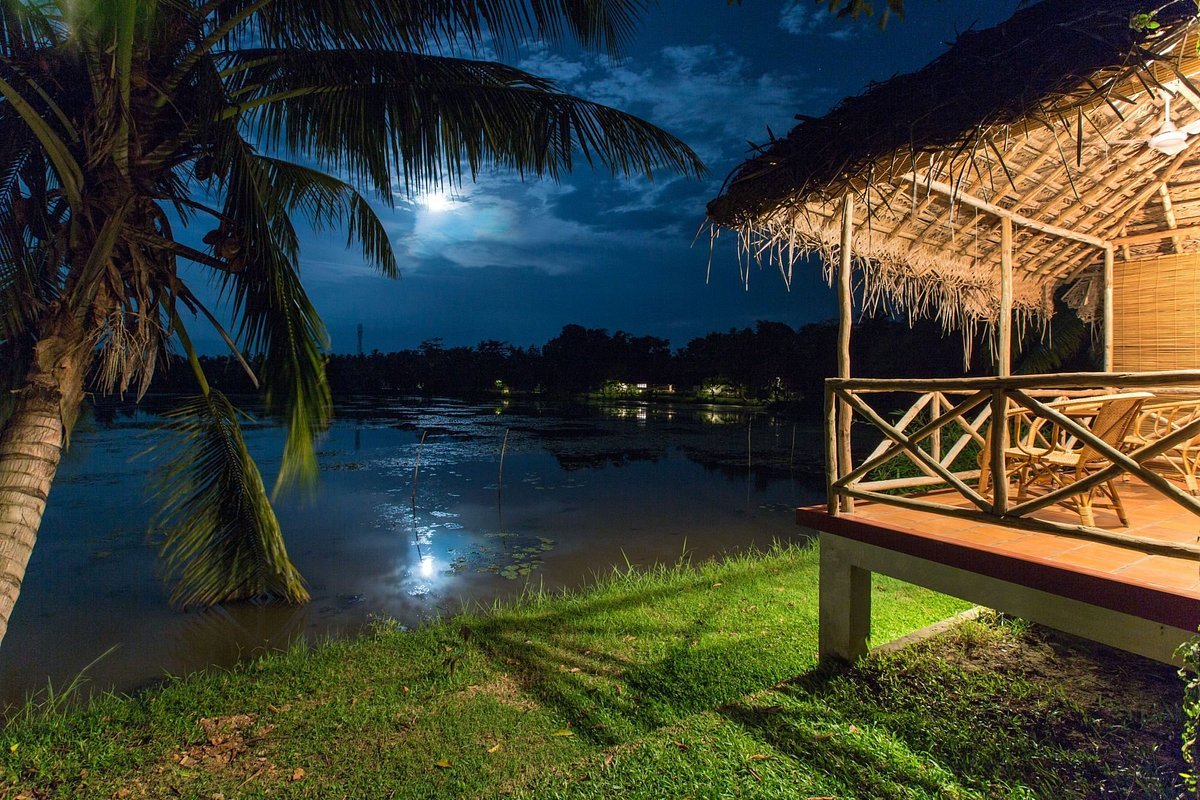

Travel today is no longer just about visiting beautiful places. Many travellers are searching for meaningful experiences that support local communities and protect the environment. Nestled along the tranquil backwaters of Kerala, Kumarakom has emerged as a shining example of how tourism can be both enriching and sustainable.
This peaceful village has successfully transformed its tourism industry by putting local people, culture, and nature at the centre of its growth. Kumarakom’s responsible tourism initiative has become a model that inspires destinations across the world.
What is Responsible Tourism?
Responsible tourism focuses on ensuring that travel benefits everyone involved. It encourages visitors to experience destinations in ways that support local livelihoods, preserve cultural traditions, and reduce environmental impact.
Instead of large-scale commercial tourism that often sidelines local communities, responsible tourism promotes partnerships between travellers, residents, and businesses. Kumarakom demonstrates how this approach can create long lasting positive change.
The Story Behind Kumarakom’s Tourism Success
Located on the banks of the Vembanad Lake, Kumarakom has always been known for its lush greenery, serene waters, and vibrant village life. However, tourism initially brought limited benefits to local residents. Most of the revenue stayed with large hospitality businesses while villagers struggled to find meaningful participation.
Recognising this imbalance, local authorities and community groups collaborated to create a responsible tourism model. Their goal was simple but powerful: ensure that tourism directly improves the lives of the people who call Kumarakom home.
Empowering Local Communities
One of the biggest achievements of Kumarakom’s tourism initiative is the active involvement of local residents in tourism activities. Villagers now contribute directly by supplying fresh produce, traditional handicrafts, and cultural experiences to visitors.
Local farmers provide vegetables, spices, and seafood to resorts and homestays. Artisans create handmade souvenirs that reflect Kerala’s artistic heritage. Women’s self help groups produce traditional food items and local products, generating additional income and financial independence.
This model ensures that tourism revenue circulates within the community, strengthening local livelihoods and encouraging economic stability.
Authentic Experiences for Travellers
Modern travellers increasingly value authenticity over commercialised sightseeing. Kumarakom offers visitors an opportunity to experience genuine village life through guided tours, cultural demonstrations, and interactions with local families.
Visitors can explore traditional farming techniques, watch artisans at work, and participate in local culinary experiences. These activities allow travellers to build meaningful connections with the destination while gaining a deeper understanding of Kerala’s culture and traditions.
Protecting Nature Through Sustainable Practices
Kumarakom’s responsible tourism initiative places strong emphasis on environmental conservation. The region has introduced waste management systems, promotes organic farming, and encourages eco friendly tourism practices.
Efforts to protect the backwaters and surrounding ecosystems have helped preserve the natural beauty that attracts visitors in the first place. By promoting awareness among both tourists and residents, Kumarakom ensures that tourism growth does not come at the cost of environmental damage.
Strengthening Cultural Heritage
Tourism often risks turning local traditions into staged performances. Kumarakom has avoided this by promoting genuine cultural exchange. Visitors experience traditional music, dance, and crafts in their original community settings.
This approach helps preserve heritage while allowing local artists and performers to gain recognition and financial support. Cultural pride within the community has grown significantly as residents see their traditions being valued by visitors from around the world.
Recognition and Global Influence
Kumarakom’s responsible tourism initiative has gained recognition at national and international levels. The model is frequently studied as a successful example of sustainable tourism development. Many regions now look to Kumarakom as proof that tourism can balance economic growth with social responsibility and environmental care.
Why Responsible Tourism Matters Today
As global travel continues to expand, destinations face increasing pressure on their natural resources and local cultures. Responsible tourism offers a practical solution by promoting travel that respects both people and the planet.
Kumarakom’s journey shows that when communities are empowered and sustainability becomes a priority, tourism can create opportunities without compromising cultural identity or environmental health.
Final Thoughts
Kumarakom stands as a reminder that tourism has the potential to be a force for good. By involving local communities, protecting natural ecosystems, and preserving cultural traditions, this small village has built a powerful blueprint for the future of travel.
Travellers who visit Kumarakom do not just witness scenic beauty. They become part of a story where tourism supports livelihoods, celebrates heritage, and nurtures nature for generations to come.
0 Comment