

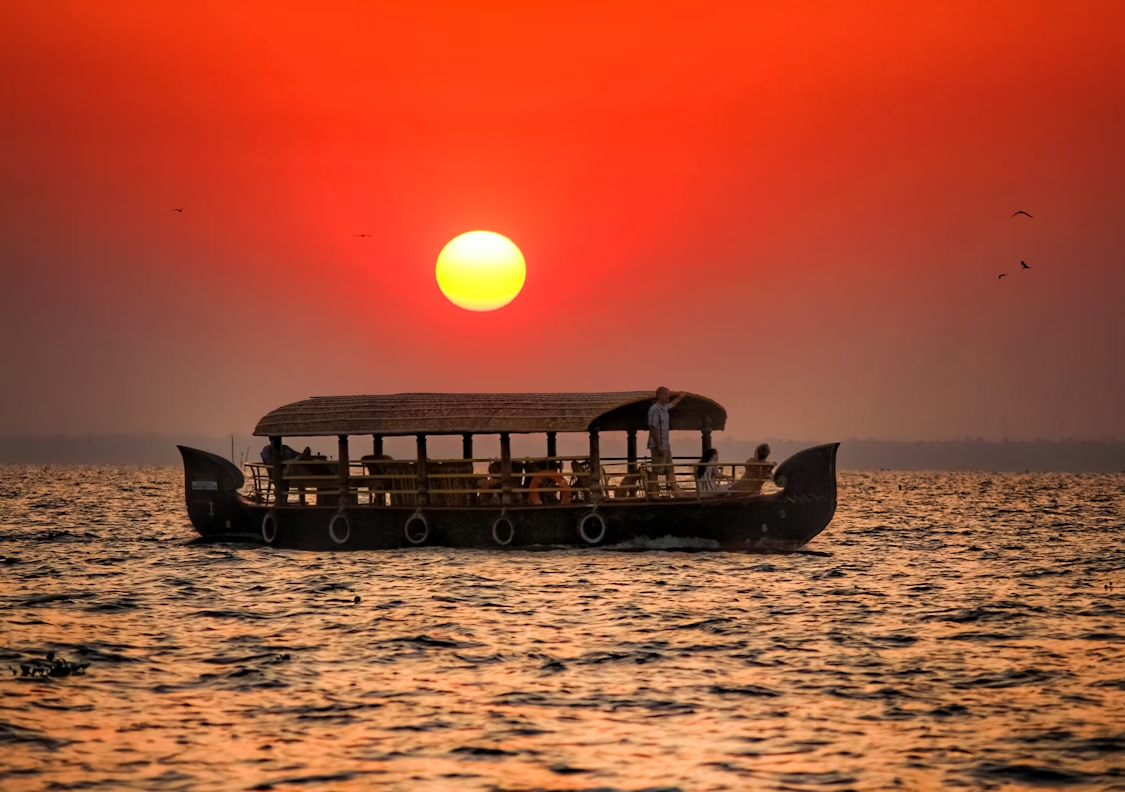

Why Kumarakom Deserves a Spot on Your Travel List
Kumarakom has a quiet charm that sneaks up on you. Travelers arrive expecting a lake, a few houseboats and the usual postcard scenes. They leave with something far richer. The village wraps around the eastern side of Vembanad Lake, and the water seems to follow you everywhere you go. Coconut palms bend over canals, narrow boats glide past homes, and the air stays warm and gentle through most of the year. Writers often struggle to describe Kumarakom without slipping into clichés, yet the place almost invites them. The stillness of the water, the scent of wet earth after a short shower, the slow rhythm of village life, everything nudges you to slow down. That is the real attraction. Kumarakom doesn’t shout for attention. It wins you over with steady, patient charm. Plenty of travelers fall for Kerala’s hills and beaches, but this lakefront village sits in its own category. The moment you step onto the wooden jetty for a boat trip, you understand why. The surface of Vembanad stretches out wide, the sky opens up, and the entire region feels like one immense water garden. A few places in India offer this sort of atmosphere, but none blend comfort, wildlife, food and quiet adventure as effortlessly as Kumarakom. This guide walks you through everything you need for a visit: the best things to do, how to get around, typical expenses, safety tips, seasons, and where to stay.









Things to See and Do in Kumarakom
1. Cruise or Paddle Through the Backwaters
Travelers often book a houseboat expecting a luxury cruise, but the real magic hides in the smaller canals. A narrow canoe or shikara moves slowly through places where motorboats cannot reach. Water weeds drift beside the hull, kingfishers hop along branches, and locals wash clothes on steps that lead into the canal. The slow pace helps you soak in scenes that remain unchanged for generations. Houseboats offer comfort and long views of Vembanad Lake. Canoes, on the other hand, take you into the tiny waterways that reveal daily village life. Try both if you have the time. Each shows a different face of the same landscape.
2. Visit the Kumarakom Bird Sanctuary
Bird lovers treat this sanctuary like a pilgrimage site. Spread across thick green cover along the water, it attracts dozens of species throughout the year. Herons stand like statues. Darters dry their wings on branches. Migratory flocks from Central Asia start appearing in cooler months. A slow morning walk through these trails gives you a chance to spot wildlife without going far from the village. A local guide can help you tell apart species that look similar at first glance.
3. Watch Traditional Fishing Techniques
Fishing remains part of daily life along Vembanad. Travelers with curiosity enjoy watching Chinese fishing nets in action, along with cast-net fishing at the edge of the lake. It’s simple but fascinating. A fisherman swings the net with a practiced motion, the mesh spreads in perfect shape, and the catch is gathered moments later. These activities go beyond entertainment. They show how communities along the lake sustain themselves with skills passed down through families.
4. Explore Village Life on Foot or Bicycle
A casual walk gives you the real flavor of this place. Children cycle past on narrow paths. Ducks paddle through flooded fields. Coconut climbers scale tall palms using loops made from coir. Shops sell tiny packets of local pickles, fried banana chips, and toddy tapped earlier in the day. Travelers often say that they remember these quiet wanderings more vividly than the lake views. Kumarakom rewards anyone who explores slowly.
5. Enjoy a Slow Sunset Over Vembanad Lake
The lake looks beautiful at any hour, but sunset gives it a special glow. The surface turns gold. Boats leave gentle wakes that ripple across the expanse. Warm wind sweeps across the water. It’s a calm experience available almost every day of the year. A few jetty points offer a great view. If you stay by the lake, you can step out minutes before dusk and still catch a stunning scene.
6. Sample Local Food
Kerala cuisine lifts travel memories to another level. Kumarakom offers fresh lake fish cooked with coconut, pepper, and lemon. Pearl spot wrapped in banana leaves remains the local favourite. Houseboats serve generous meals with rice, vegetables, pickles and crunchy pappadam. Toddy shops in nearby areas prepare spicy fish curries that leave a pleasant warmth long after the meal. For breakfast, try appams or puttu with kadala curry.
Unique Things About Kumarakom
Travel writers often call Vembanad Lake a character rather than a location. It influences the climate, wildlife, farming, food and even the social life of surrounding villages. The lake system interacts with canals, paddy fields and mangrove patches, turning the entire region into a living ecosystem rather than a single tourist spot. Kumarakom sits within the Kuttanad region, which is among the few places in the world where farming happens below sea level. Farmers here maintain bunds, pumps and water management systems that look simple at first sight but represent generations of technical knowledge. The place also supports interesting wildlife beyond birds. Travelers occasionally spot the smooth-coated otter in quieter canals. Butterflies appear in large numbers after short rains. Certain months bring massive flocks of swallows across the lake, turning the sky into a moving pattern. Writers and public figures often comment on the area’s charm. The legendary travel writer Paul Theroux once described Kerala’s waterways as “a continent of reflections and slow stories.” That line fits Kumarakom perfectly. The water carries stories, and the village absorbs them.
Typical Costs (INR)
| Item | Cost Range (INR) |
|---|---|
| Houseboat day cruise | 3,500 to 8,000 per couple |
| Overnight houseboat | 7,500 to 18,000 |
| Shikara or canoe ride | 600 to 1,200 per hour |
| Budget hotel room | 1,200 to 2,500 per night |
| Mid-range resort | 3,500 to 8,000 per night |
| Luxury resort | 10,000 to 35,000 per night |
| Meals at restaurants | 200 to 500 per person |
| Taxi from Kochi airport | 2,800 to 3,500 |
| Auto rides inside village | 60 to 200 |
Suggested Budget
| Style | Daily Cost (INR) | What It Covers |
|---|---|---|
| Backpacker | 1,800 to 3,000 | Budget guesthouse, local food, shared shikara ride |
| Mid-range | 4,000 to 8,000 | Comfortable stay, private transport, activities |
| Luxury | 10,000 to 30,000 | Lakefront resort, premium meals, private cruises |
Money-Saving Tips
Travelers often assume backwater destinations drain a wallet quickly, but Kumarakom can stay affordable with a few habits. Try replacing houseboats with shikaras for shorter explorations. You get the views at a fraction of the price. Book stays slightly away from the lakefront. A short walk gives access to the same experiences without the premium. Local restaurants serve filling meals at friendly prices. Many offer a “fish fry” plate that tastes excellent without costing much. Travel during shoulder months. August, September, January and early February often bring the best balance of weather and prices. If you travel in small groups, ask for combined rates on boat rides since operators offer flexible pricing. Finally, use public ferries for short lake hops. They cost very little, and the ride feels remarkably authentic.
How to Get Around
Kumarakom stays compact. Travelers rarely need heavy planning to move between spots. Autos remain the easiest choice for short distances. Drivers know the area well and usually offer fair rates. Bicycles work great for exploring village routes. Traffic stays light, and roads often pass through scenic patches of paddy fields and canals. Many hotels rent bicycles for small fees. For longer distances or airport transfers, taxis stay dependable. If you plan to explore nearby destinations such as Alleppey or Vaikom, taxis save time. Public ferries connect certain points along Vembanad but run at fixed schedules, which adds a bit of character to the journey.
When to Go
The weather gently shifts through the year, and each season brings a different mood. November to February feels pleasant with cooler air and clear skies. Travelers who prefer comfortable weather choose these months first. Bird activity increases during this period, making it ideal for the sanctuary. March to May brings warm afternoons. The lake breeze helps, and early mornings stay enjoyable. Prices tend to drop, so budget travelers sometimes prefer this period. June to September brings monsoon showers. Rain transforms the landscape into a lush green. Water levels rise, canals look fresher, and the entire village takes on a reflective glow. Those who enjoy quiet stays find this season incredibly rewarding.
Where to Stay in Kumarakom
Below is a helpful table listing stays from visitkumarakom.com, giving you a wide range of options.
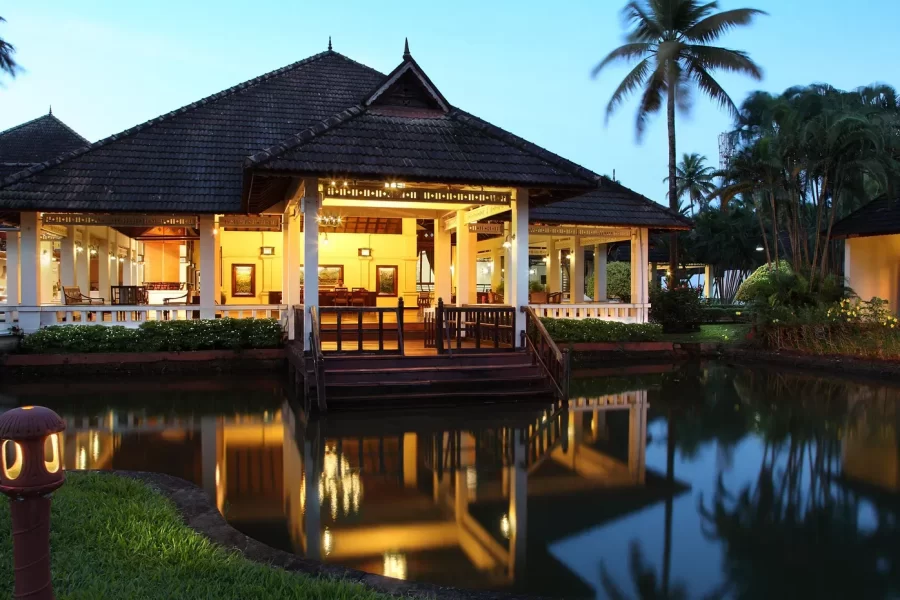
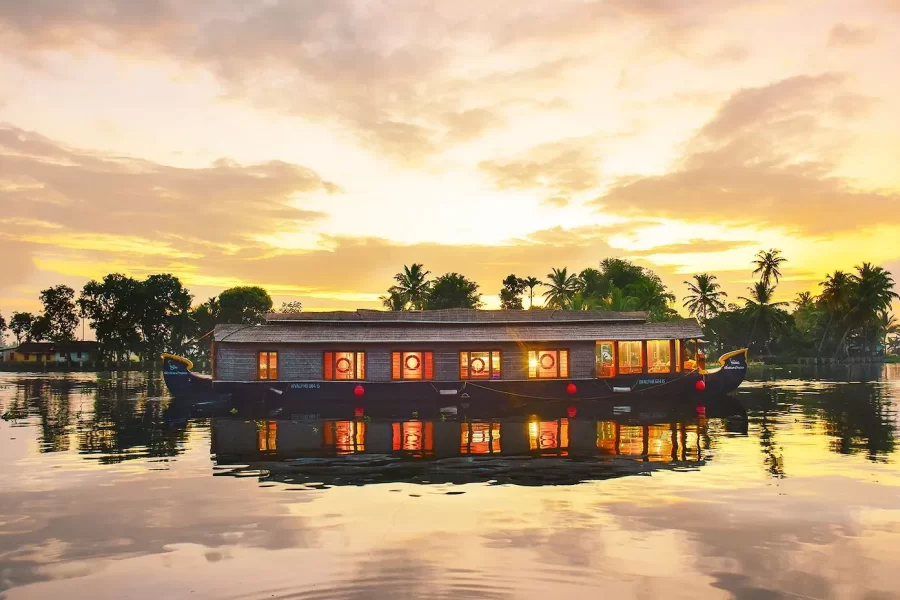
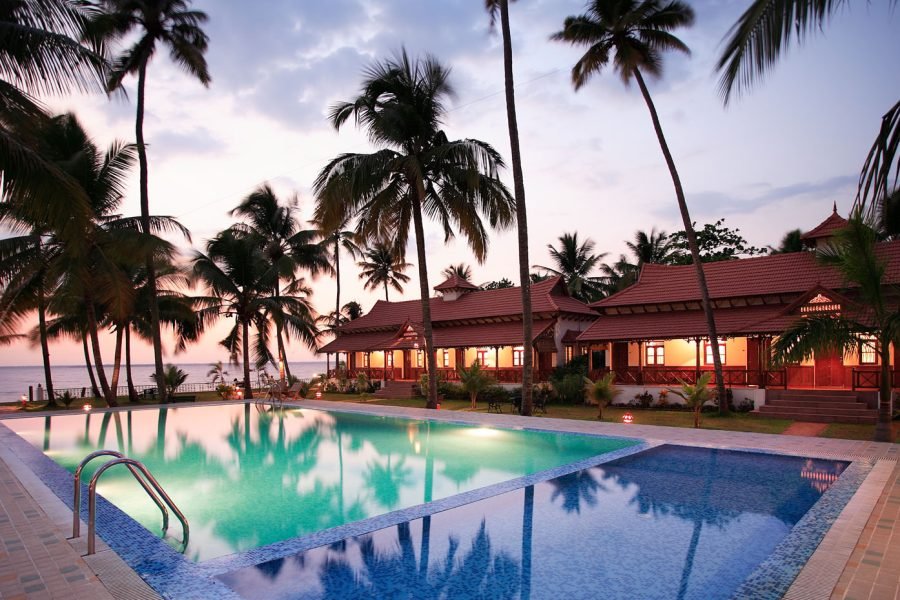
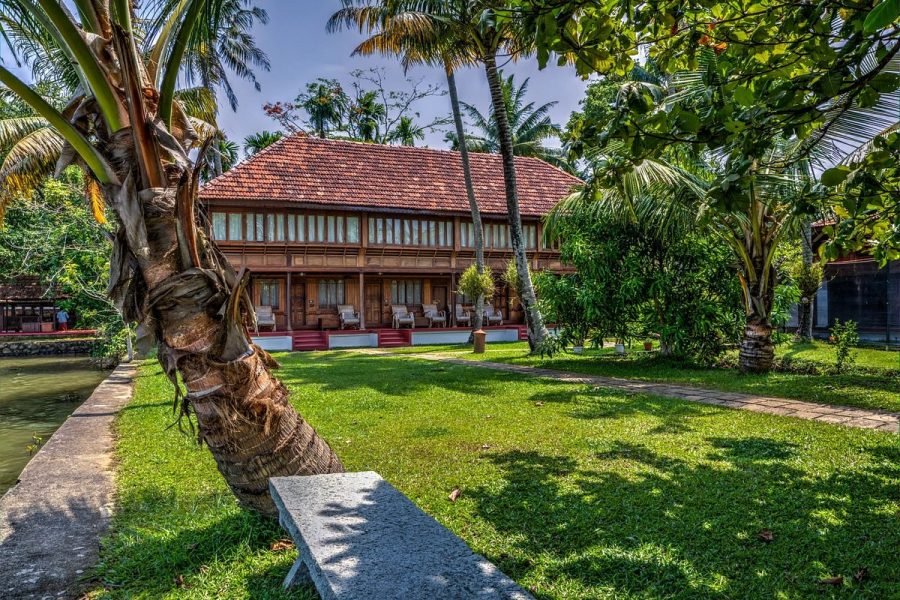
Coconut Lagoon Kumarakom
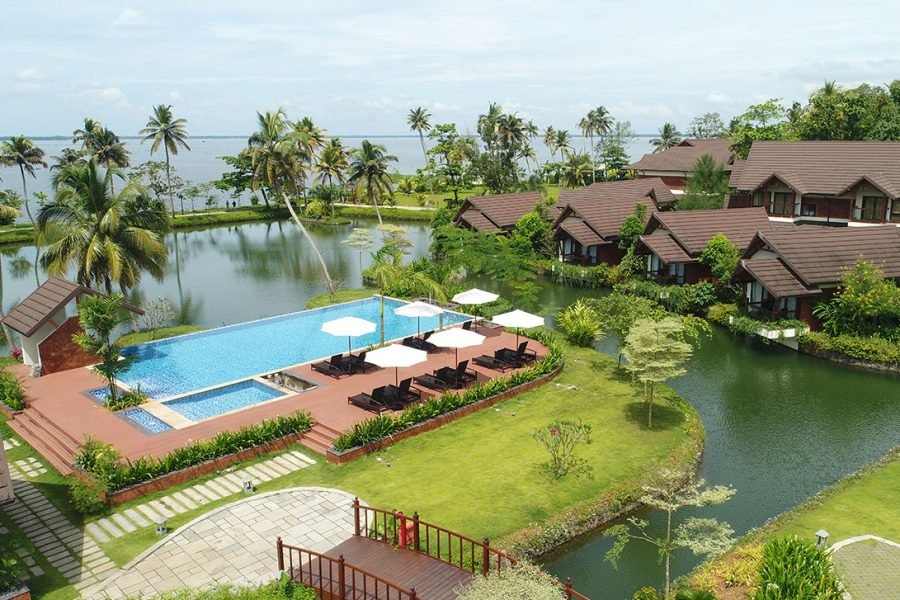
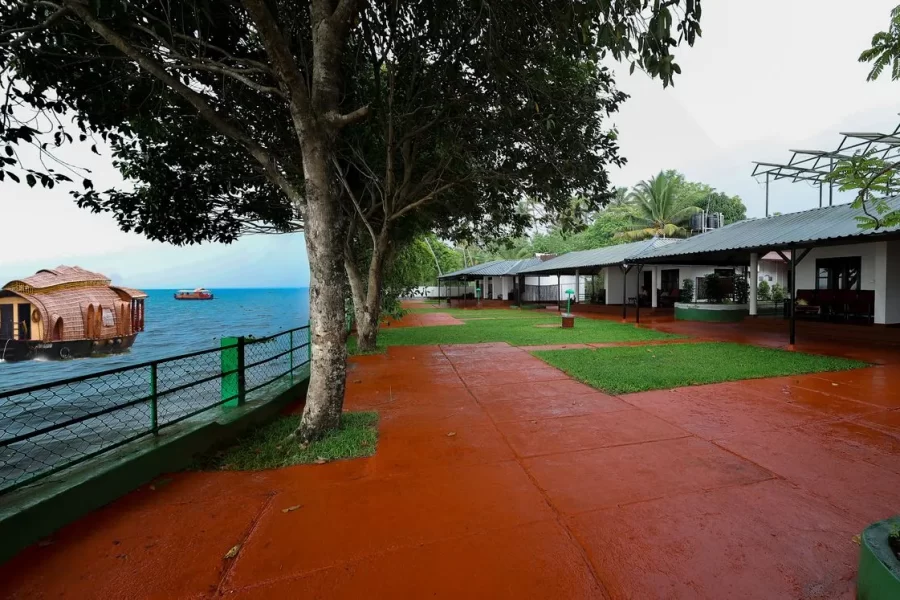
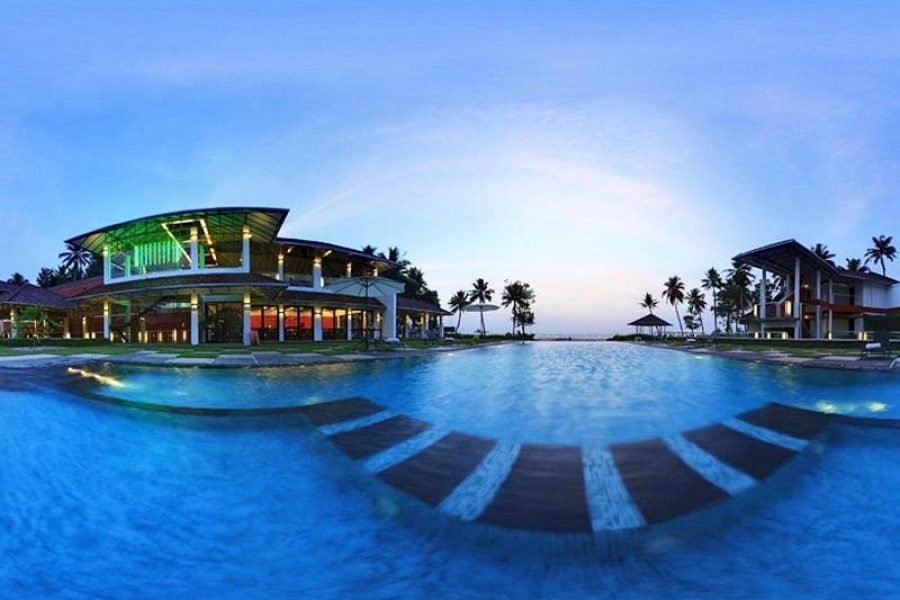
Karma Chakra Resort Kumarakom
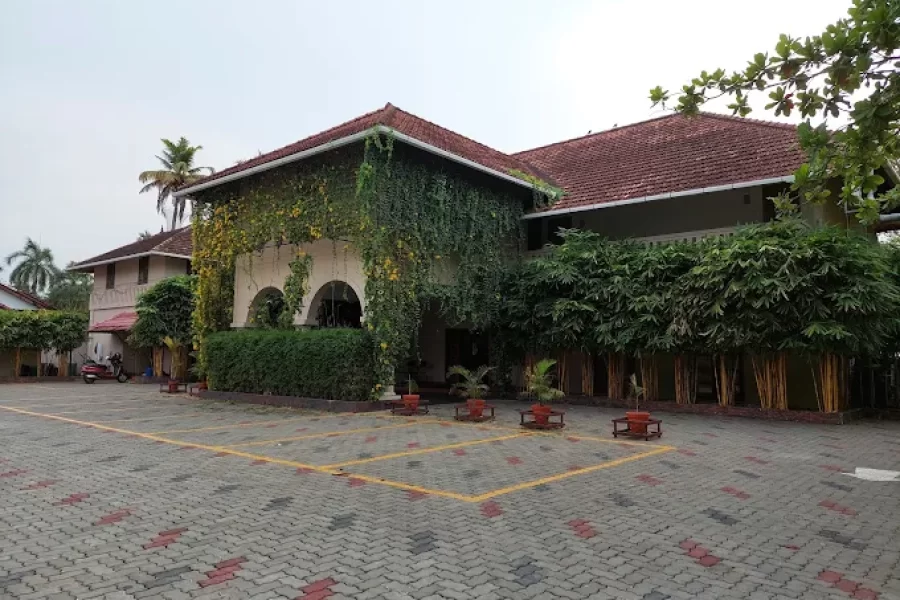
Kottayam Club Kumarakom Annexe
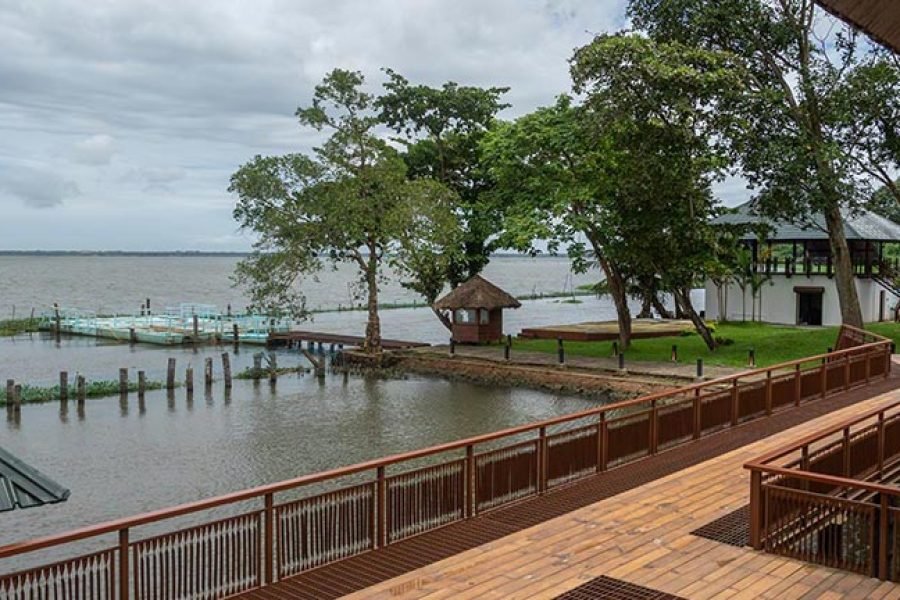
KTDC Waterscapes Kumarakom
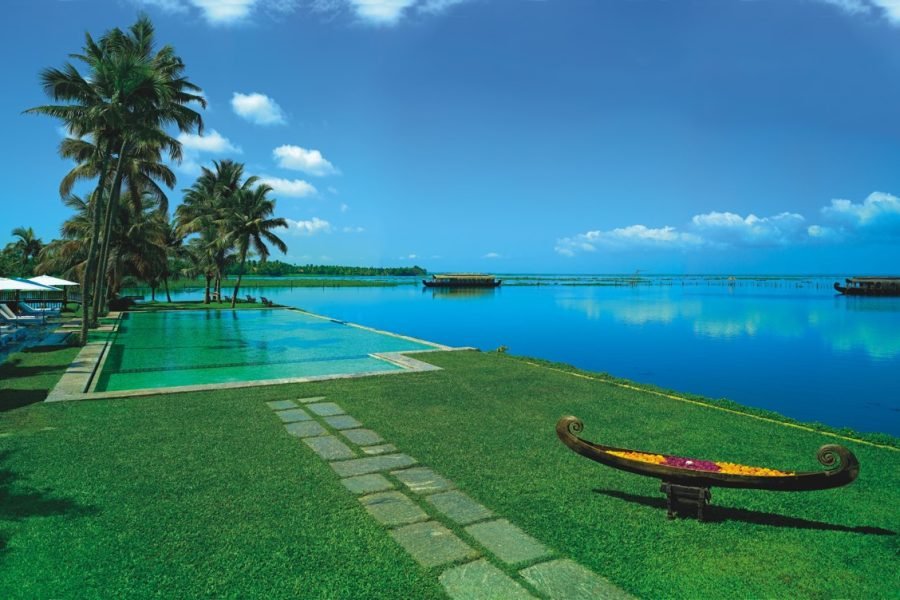
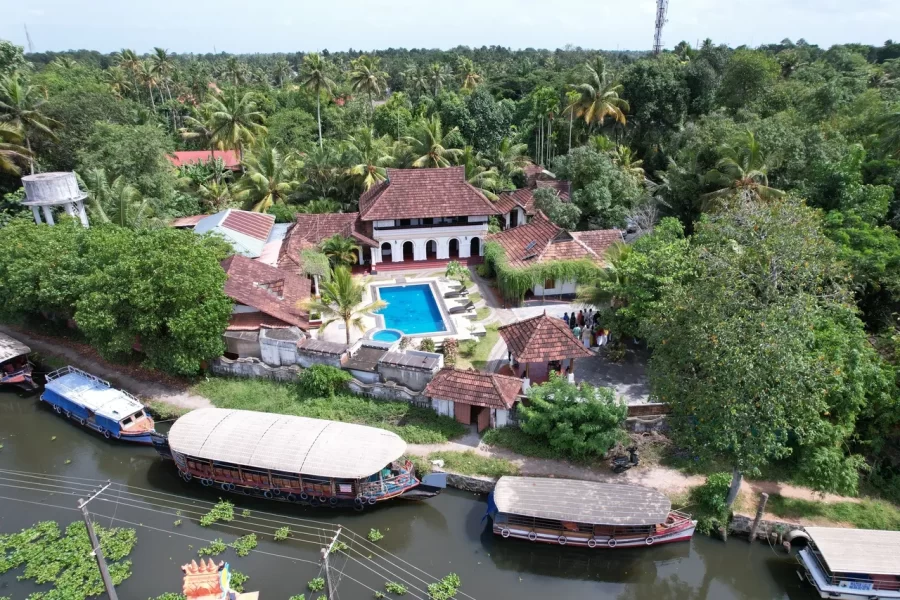
Kumarakom Tharavadu – Heritage Hotel
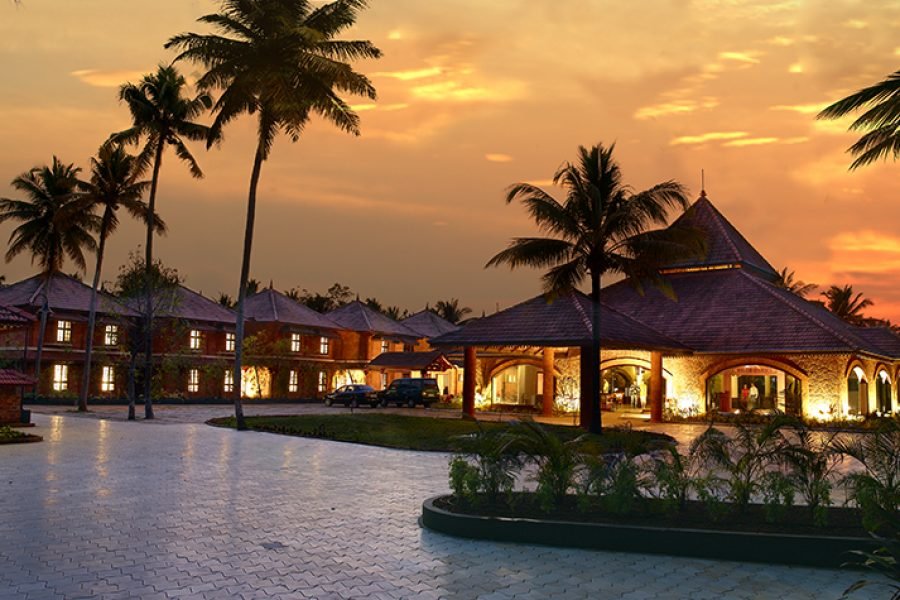
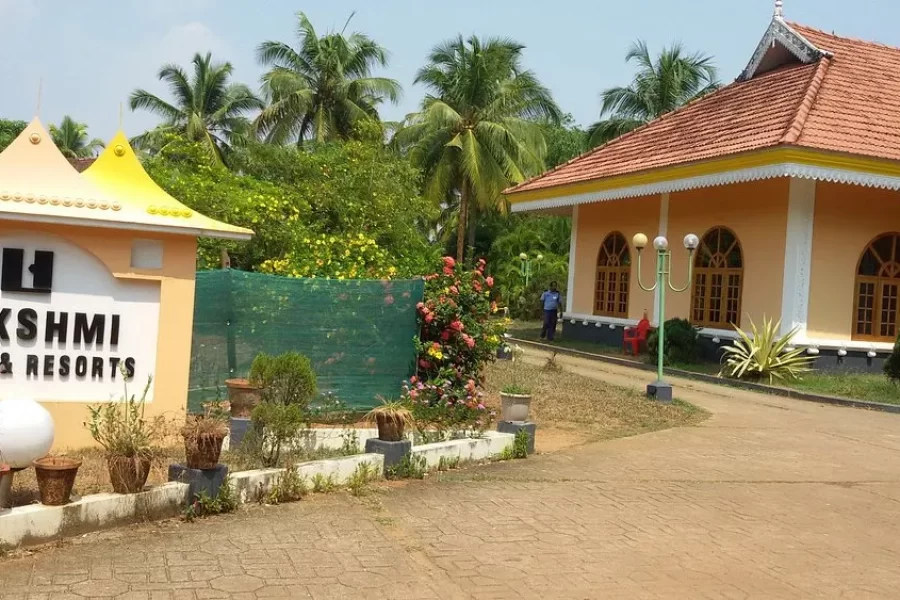
Lakshmi Hotel & Resorts Kumarakom
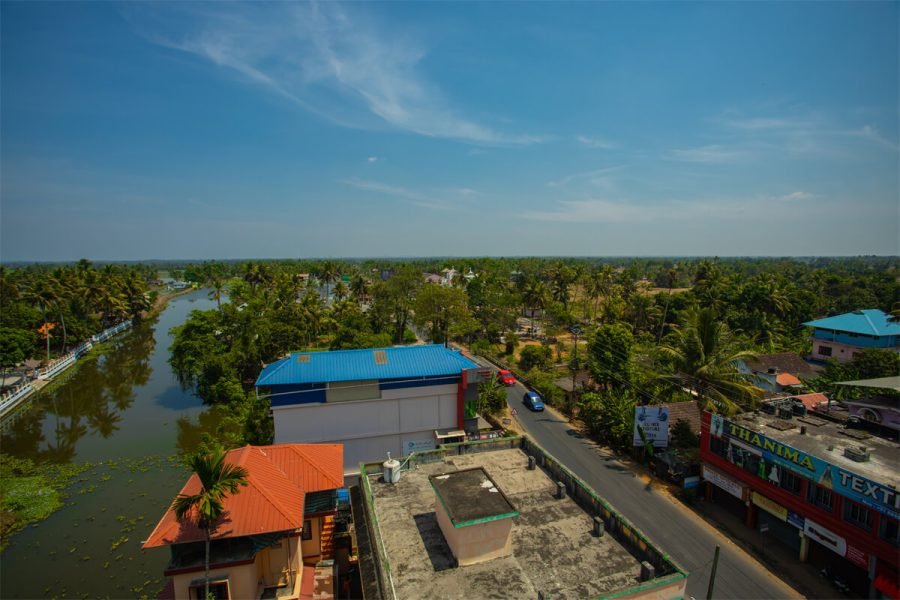
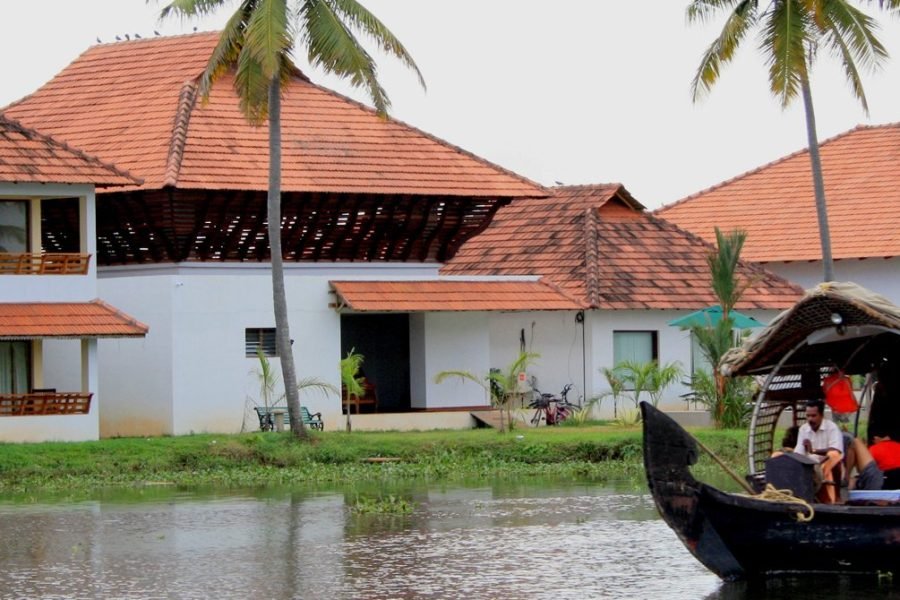
Manor Backwater Resort Kumarakom
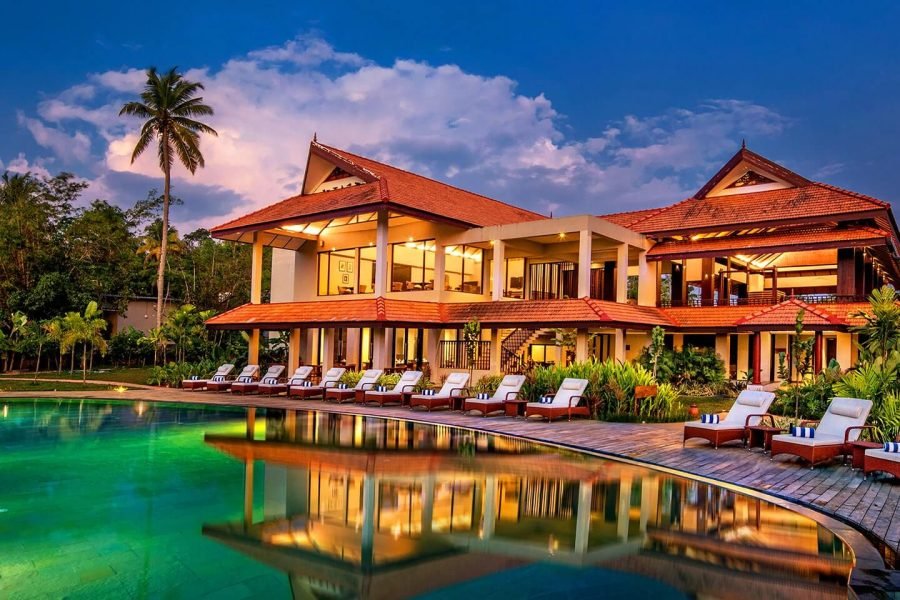
Niraamaya Retreats Backwaters & Beyond, Kumarakom
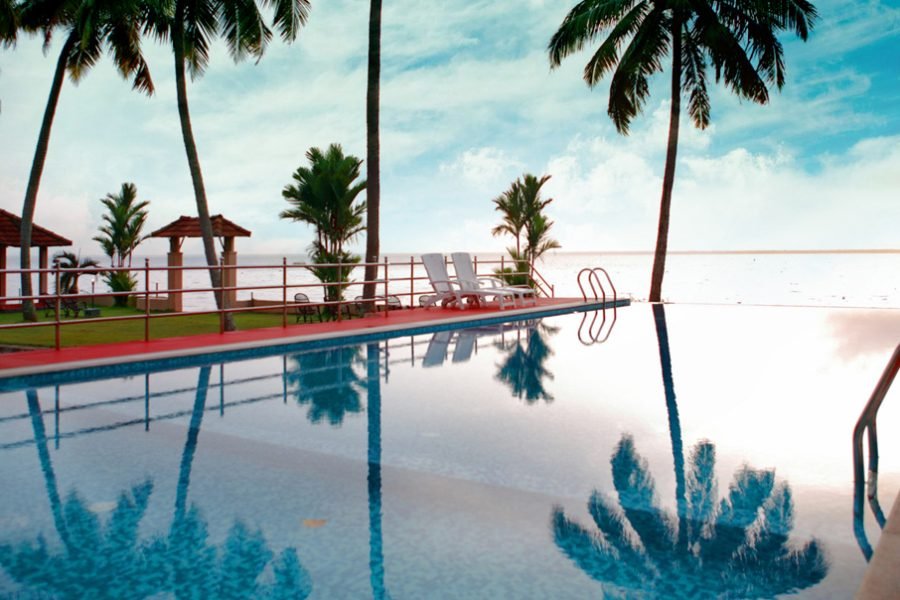
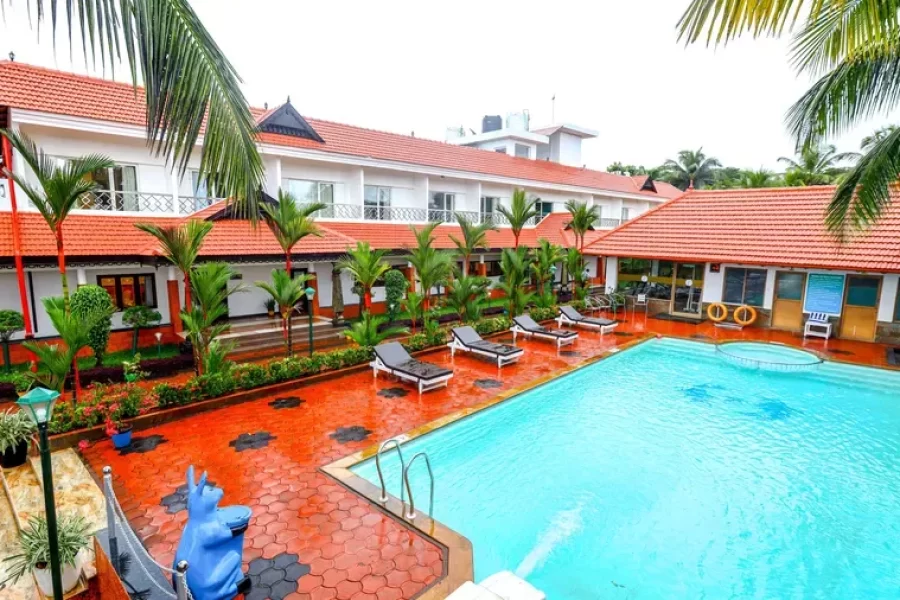
Renai Green Fields Resort Kumarakom
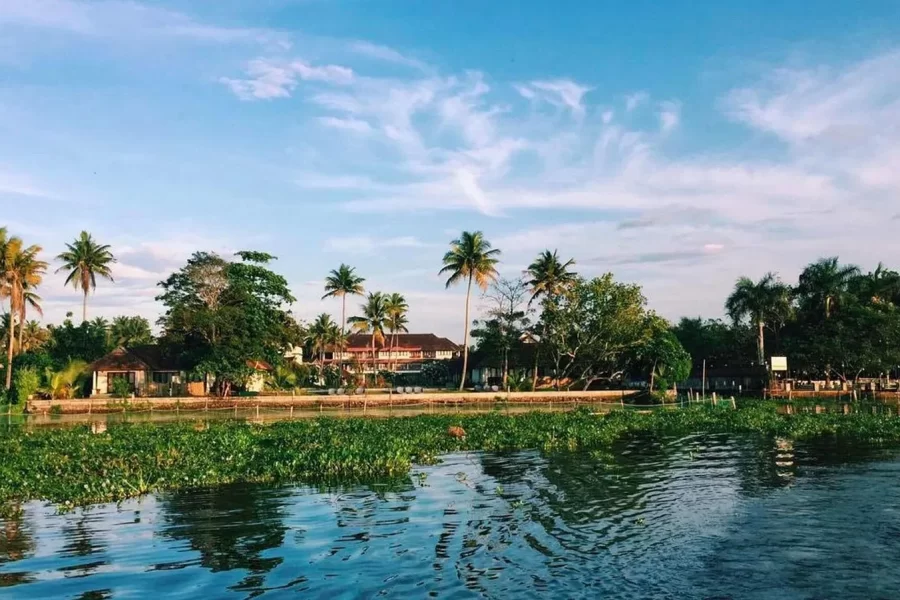
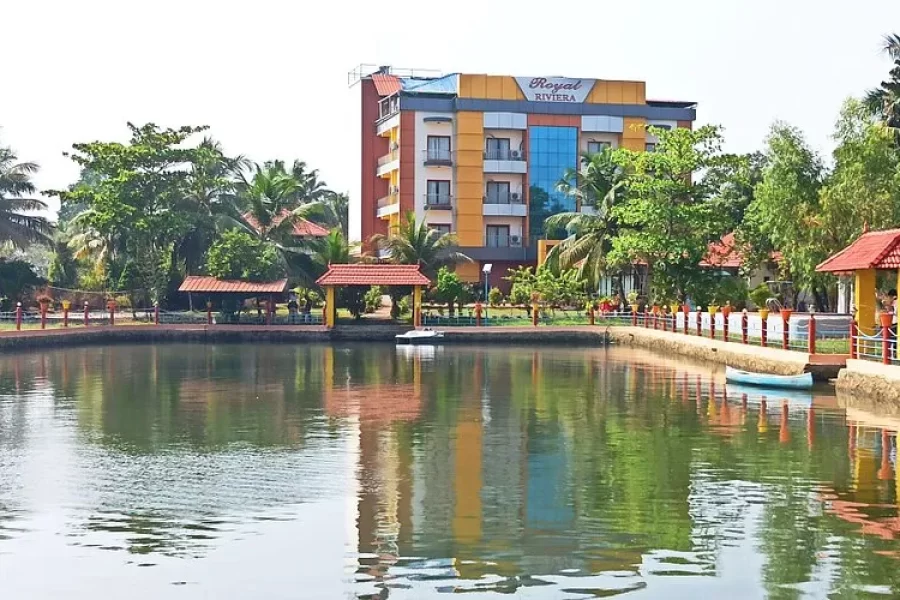
Royal Riviera Hotels & Resorts Kumarakom
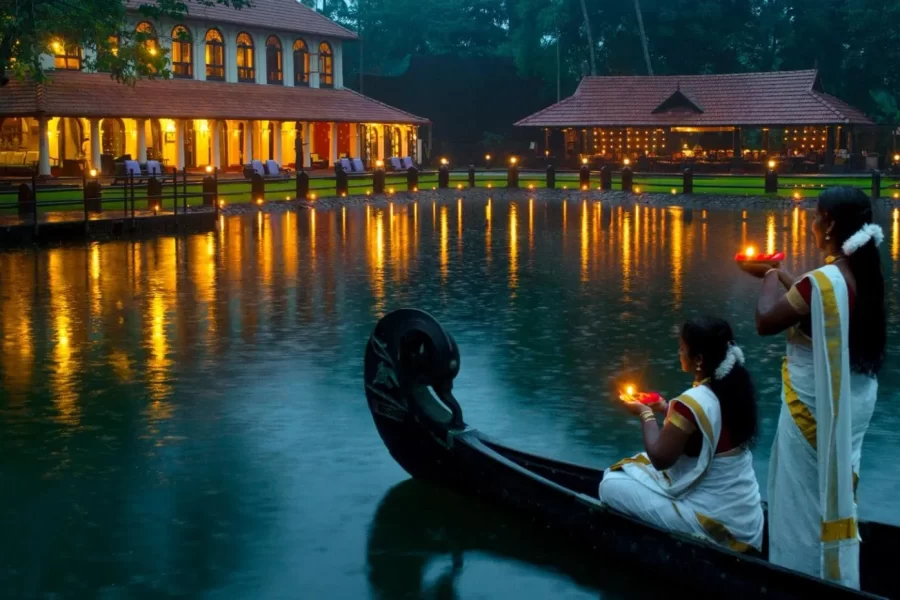
Taj Kumarakom Resort & Spa Kerala
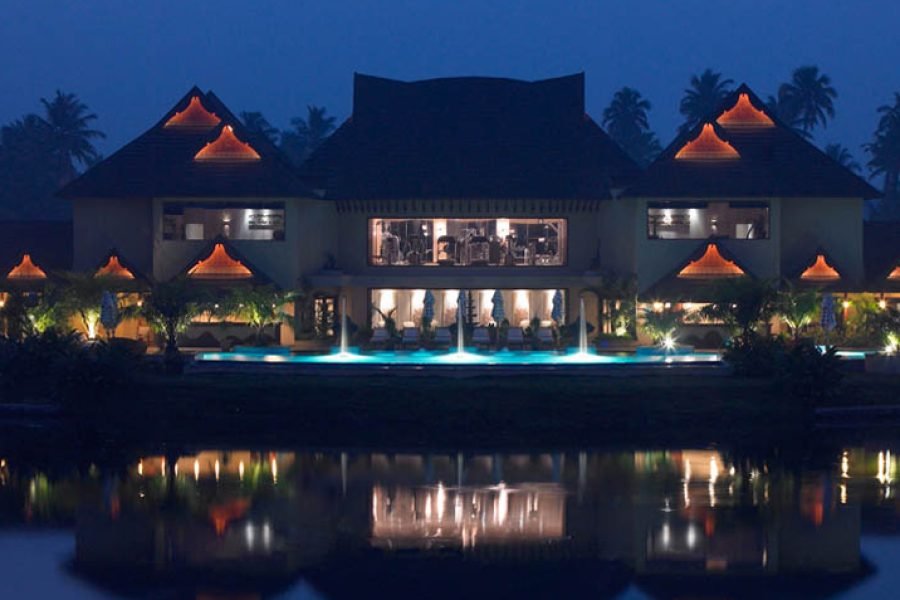
More listing details: https://visitkumarakom.com/kumarakom-hotels-resorts/
How to Reach Kumarakom
By Air: The nearest airport is Kochi International Airport, roughly 78 km away. Taxis complete the trip in about two hours. By Train: Kottayam Railway Station sits 15 km from Kumarakom. Autos and taxis from Kottayam reach the village quickly. By Road: Kumarakom connects smoothly to Kochi, Kottayam, Alappuzha and Changanassery. Buses run regularly, but taxis remain faster for most travelers.
How to Stay Safe
Kumarakom stays calm and friendly for visitors. Most areas feel safe even at night because the population density is low and movement stays steady around local shops. Be cautious near the lake during late evenings since some paths lack strong lighting. Stick to marked trails in the bird sanctuary, especially after rainfall because the ground turns slippery. Carry drinking water on long walks. Humidity can drain energy faster than expected. Avoid swimming in unmarked parts of Vembanad Lake. Currents shift depending on wind, and certain pockets hold sudden depth changes. If you rent bicycles, keep to smaller roads where traffic moves slowly.
Best Places to Book Your Trip
Travelers who enjoy comparing options can use well-known booking platforms alongside local portals. International platforms list most resorts but smaller homestays often appear on regional sites. Houseboat bookings benefit from direct communication because operators can adjust meal plans, cruise routes and timings based on your interests. Photography tours, canoe rides and cultural experiences run better when booked through local guides since they customise timings around weather and bird activity.
Final Thoughts
Kumarakom sits at that sweet point between quiet village and accessible travel hub. The water holds attention without demanding it. Life moves slowly but never feels dull. The area doesn’t try to impress visitors by putting on a show. It simply exists in its own steady rhythm. Travelers looking for big-city thrills won’t find them here. Instead, they discover open water, warm people, soft breezes and a sense of calm that stays long after the trip ends. If Kerala has many highlights, Kumarakom stands among the most memorable. It invites you to slow down, breathe a little deeper and let the lake decide the pace. If you want, I can format this
0 Comment