

Table of Contents
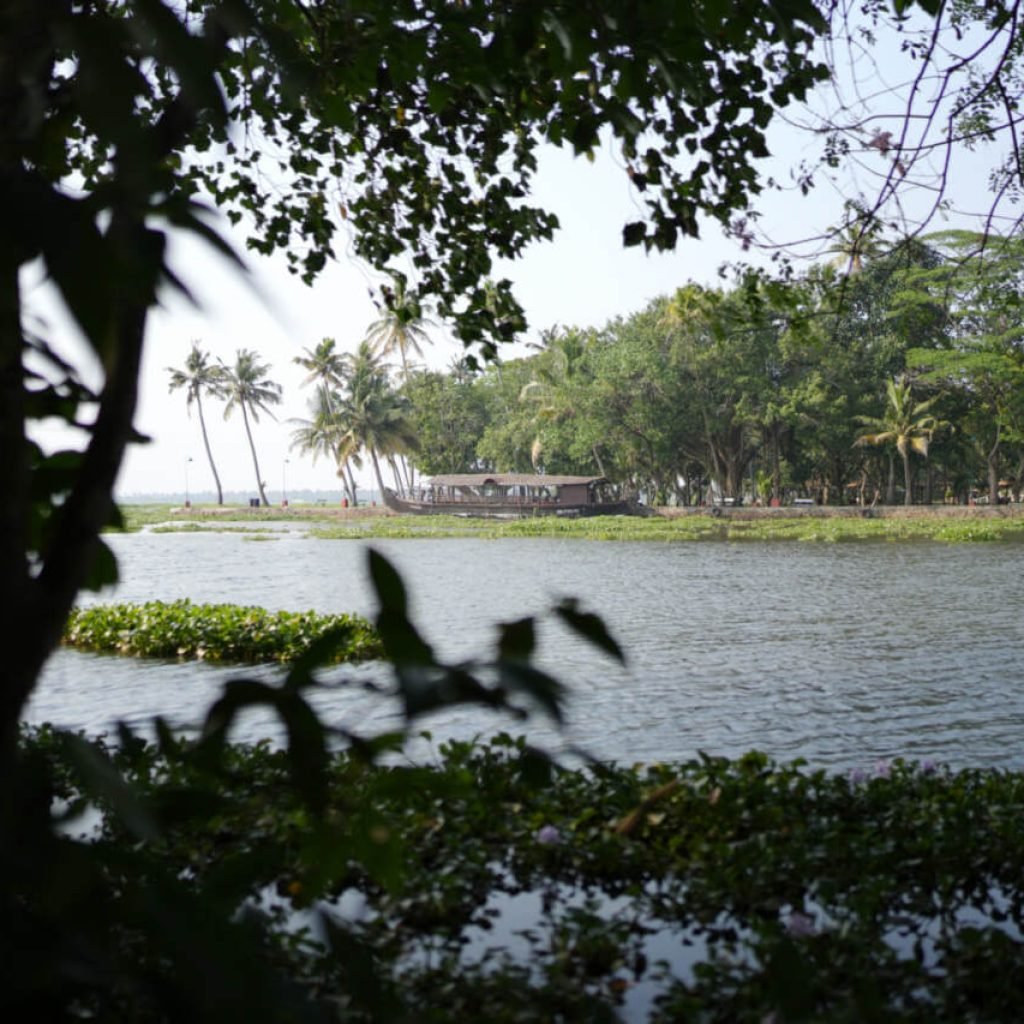
Kumarakom Bird Sanctuary sits beside the vast waters of Vembanad Lake in Kerala. It’s a mosaic of marshes, open pools, and long patches of reeds that attract birds from across continents. The sanctuary combines local culture, wetland ecology, and seasonal bird movement in a compact, walkable area.
The sections below give you a full picture: history, bird seasons, habitat notes, visitor tips, conservation work, and the surrounding community’s role.


Kumarakom’s roots stretch into the larger Vembanad wetland system. Centuries of rice farming, traditional canal networks, and freshwater fishing shaped this area. The wetlands were always known as feeding stations for herons, egrets, and wintering migrants.
The site gained formal protected status in the late 1900s when naturalists and local administrators joined efforts to preserve nesting trees and shallow marsh pockets. Old travel diaries, early ornithology notes, and temple records mention flocks of winter birds arriving long before the sanctuary existed.
The modern sanctuary emerged through gradual improvements:
It remains one of Kerala’s easiest birding zones for beginners, families, and experienced visitors alike.


Kumarakom’s habitat is a patchwork of:
Water level changes reshape feeding zones every few months. Some years bring more exposed mudflats; some years bring denser reed growth. This constant change produces rich bird diversity.


The sanctuary is protected by state wildlife authorities. Their work includes:
Challenges still exist—waste inflow, water contamination from household drains, and occasional pressure from construction near wetland edges. Climate-driven water fluctuations sometimes flood breeding pockets earlier than usual.
Local groups run awareness drives, bird festivals, and community clean-ups. Many homestays and guides now support low-impact tourism, which aids habitat protection.
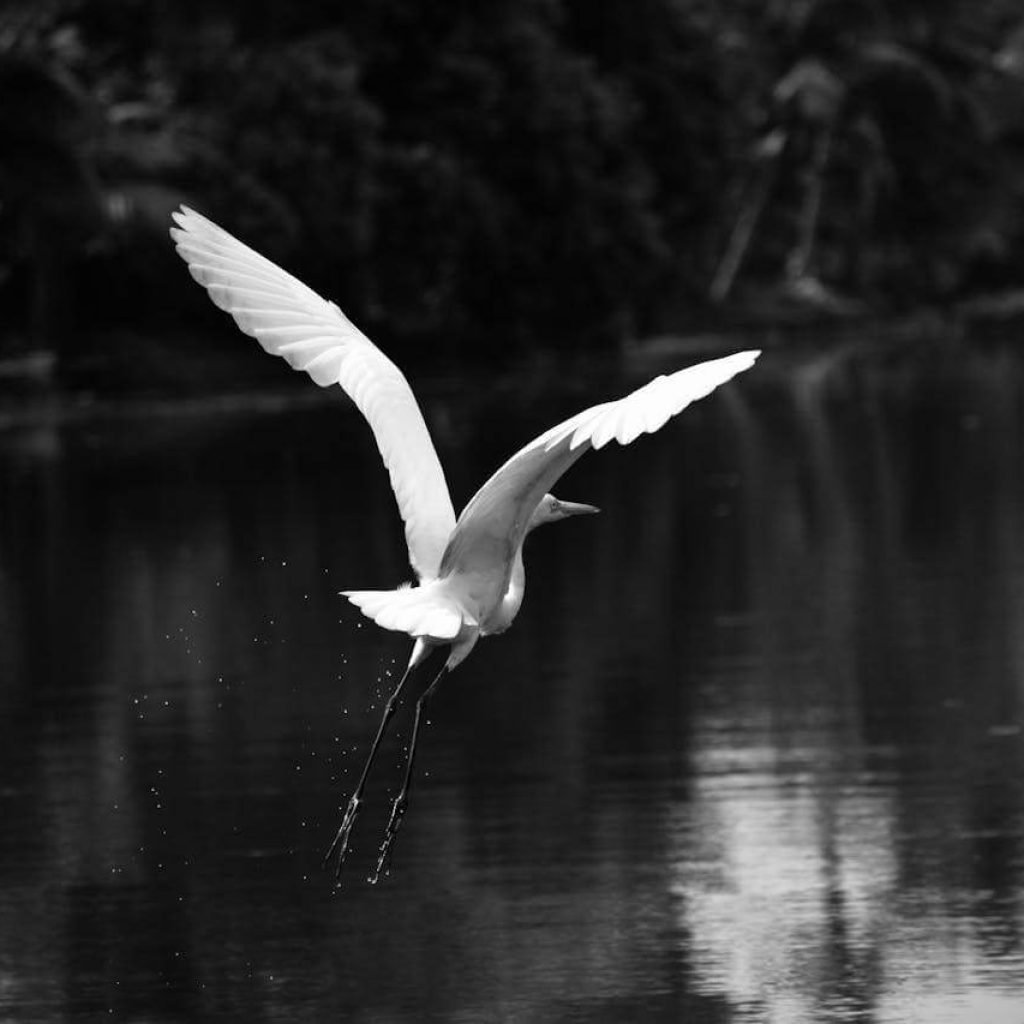
Below are species commonly seen here, grouped by category and seasonal movement. Photo blocks follow each group for reference.


Year-round residents:
These species use the sanctuary’s marsh edges daily. Early morning is the best time to watch feeding behaviour.


Common sightings include:
They occupy reed patches, shrubby edges, and agricultural strips.


Winter delivers the highest diversity:
Thousands of waders and ducks pass through the Vembanad–Kumarakom belt during this period.


These species become more vocal and visible during the breeding period:
Nesting often happens in dense reed islands or in trees surrounded by shallow water.


Occasional surprise guests include:
October–March: Best months for bird variety. Comfortable weather, many migrants.
March–May: Breeding activity for herons and egrets.
June–September: Monsoon brings thick greenery and active resident species; boat access varies.
Many photographers prefer December–February for clear mornings.


Residents depend on fishing, coir craft, small homestays, and guiding work. Several families participate in wetland-cleaning drives, responsible boating rules, and habitat maintenance.
Visitors who use local guides help keep these skills alive and support a nature-friendly economy.
Major concerns include:
Conservation groups work on waste clean-ups, reed restoration, and awareness programs for schoolchildren and boat operators.
Kumarakom Bird Sanctuary is a gentle place, filled with calls, reflections, reed islands, and slow-moving water. It offers birdwatchers and casual travelers a close look at wetland life that shifts with each season. Migrants in winter, breeding colonies in summer, and evergreen residents in monsoon give the sanctuary a quiet rhythm.