

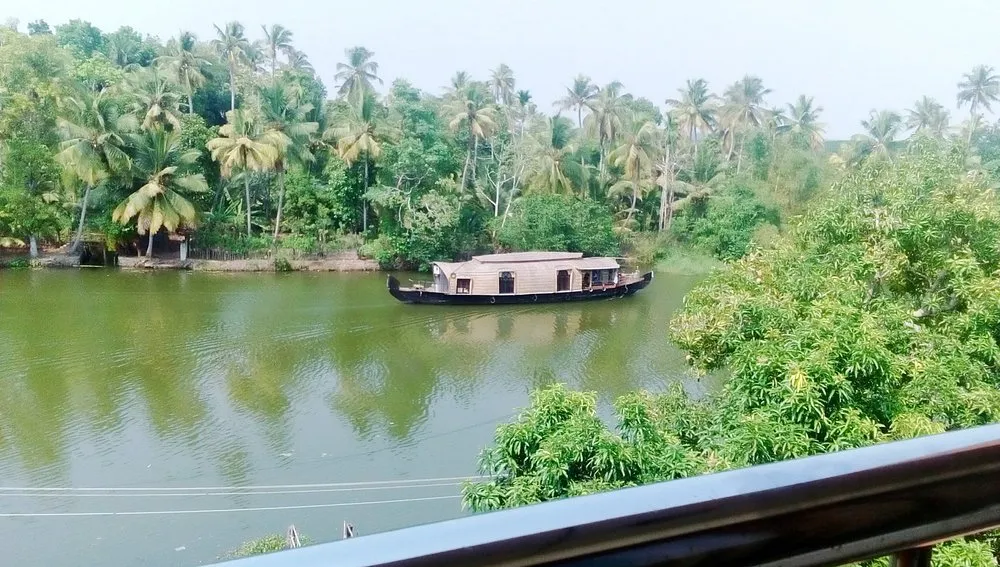

A quiet introduction to a place shaped by water
There are destinations that announce themselves loudly. Kumarakom does the opposite. It reveals itself slowly, like mist lifting off water at dawn. Set along the edges of Vembanad Lake, this village is not organized around roads, clocks, or landmarks. It is organized around water. Canals replace streets. Boats replace buses. The day itself seems to float rather than march forward.
The Kumarakom backwaters are not just a scenic backdrop for photographs or honeymoon brochures. They are a living system that quietly choreographs how people wake up, work, travel, trade, and rest. Here, water decides when fish are caught, when schoolchildren leave home, when coconuts are harvested, and when silence takes over the village again.
For Indian slow travelers, Kumarakom feels like a reminder of an older rhythm many of us have forgotten. For international culture focused travelers, it offers a rare chance to see how landscape and lifestyle still exist in conversation with each other. Honeymoon couples come seeking romance, but often leave talking about stillness. Photographers and writers arrive for light and reflections, then stay for stories that refuse to be rushed.
This guide is not about ticking off attractions. It is about understanding why Kumarakom feels the way it does, and why that feeling stays with you long after you leave.
The Kumarakom backwaters and the architecture of daily life
Water in Kumarakom is not decorative. It is functional, emotional, and deeply practical. The network of canals, lagoons, and open lake stretches into neighborhoods, courtyards, and even kitchens. Many homes are built facing water rather than roads. The front door often opens to a small jetty instead of a gate.
Early mornings begin with the sound of oars cutting through still water. Fishermen move quietly, reading the surface the way farmers read soil. Small wooden boats deliver milk, vegetables, and newspapers. Children in neatly pressed uniforms wait at canal edges for boat ferries that take them to school.
Unlike tourist heavy backwater hubs, Kumarakom retains a sense of lived in authenticity. This is because the backwaters of Kerala here are not a performance. They are infrastructure. They determine how goods move, how neighbors visit each other, and how festivals unfold.
The famous houseboats, often seen as symbols of luxury travel, are actually modern adaptations of traditional kettuvallams once used to transport rice. Their slow pace mirrors the natural tempo of the lake, which rarely allows haste. Even visitors find themselves adjusting their breathing to match the gentle sway of water.
Life here teaches a subtle lesson. When movement depends on water, impatience loses its usefulness.
Key experiences that reveal the soul of Kumarakom
Living canals, not postcard viewpoints
The most revealing moments in Kumarakom happen away from curated viewpoints. Narrow canals winding behind homes show daily life in motion. Women wash utensils at water steps. Elderly men mend fishing nets under coconut trees. Toddlers wave at passing boats as if greeting old friends.
Walking paths run parallel to waterways, offering intimate glimpses into village routines. These walks, especially during early morning or late afternoon, explain more about Kumarakom than any guideboard ever could.
Vembanad Lake at different hours
The lake transforms throughout the day. Mornings are silvery and soft. Midday brings sharp reflections and working boats. Evenings dissolve into amber tones as the sun sinks behind palms.
Photographers find endless compositions here, but what stays memorable is the silence between sounds. A bird call. A distant engine. Water touching reeds.
Birdlife and seasonal visitors
The region is known for its bird sanctuary, but birds are everywhere in Kumarakom. Kingfishers hover like punctuation marks. Egrets move with careful grace. Migratory birds arrive according to seasons, turning parts of the village into temporary international airports of feathers.
This constant movement reinforces the idea that Kumarakom is part of a larger ecological rhythm, not an isolated destination.
Other things to know before you arrive
Kumarakom tourism often markets tranquility, but tranquility here is active, not empty. Days have texture. Sounds change. Weather shifts matter.
Shops close early. Meals follow daylight. Conversations happen unhurriedly. If you arrive expecting nightlife or packed itineraries, the village may feel quiet. If you arrive willing to listen, it feels generous.
Connectivity exists, but not aggressively. Internet works well in most resorts and cafes, yet the environment encourages you to put your phone down. Writers often find this place unsettling at first, then deeply productive.
Local cuisine is shaped by water as much as land. Fish curry changes flavor depending on catch and season. Coconut appears in multiple forms. Meals are best enjoyed slowly, often with views of passing boats.
Common mistakes travelers make in Kumarakom
One mistake is treating Kumarakom as a checklist stop between larger Kerala destinations. Doing so misses its essence. This is not a place to rush through in one afternoon.
Another mistake is confining yourself entirely to a resort. While resorts here are beautiful, stepping outside reveals the real Kumarakom village life experience.
Overplanning is also counterproductive. The best moments often appear unannounced. A sudden rain shower. A local invitation for tea. A sunset that refuses to be photographed properly.
How to begin your Kumarakom journey
Most travelers arrive via Kochi, then continue by road to Kumarakom. The transition itself is important. Urban noise fades. Roads narrow. Water begins to appear where land once dominated.
Once in Kumarakom, the best way to start is by doing very little. Take a short canal walk. Sit by the lake. Let your senses recalibrate.
Houseboats offer immersion. Homestays offer intimacy. Boutique resorts offer balance. All work, depending on how close you want to be to everyday village rhythms.
Costs, time, and the luxury of slowness
Kumarakom can be experienced on different budgets. Homestays are affordable and deeply personal. Resorts range from comfortable to indulgent. Food remains reasonably priced across categories.
What you truly invest here is time. Two nights feel rushed. Three to four nights allow the place to unfold. Longer stays often feel restorative in ways travelers struggle to articulate.
A suggested slow travel flow
Day one is for arrival and observation. Day two is for water based exploration. Day three is for walking, cycling, and conversation. Additional days become increasingly unscheduled, which is exactly the point.
Money saving and experience maximizing tips
Travel in shoulder seasons for better rates and fewer visitors. Choose locally run accommodations. Eat where locals eat. Share boats when possible. Spend more on time, less on activity bundles.
Best time to visit Kumarakom
The best time to visit Kumarakom is between October and March when weather is gentle and water levels are ideal. Monsoon months offer dramatic beauty and fewer crowds, appealing to writers and photographers who enjoy mood over convenience.
Why Kumarakom stays with you
Kumarakom is not loud enough to dominate memory immediately. It settles instead. Weeks later, you may find yourself thinking about how water shaped conversations, mornings, and silence itself.
That is when you realize Kumarakom did not just show you a place. It quietly adjusted your internal rhythm, one slow ripple at a time.
0 Comment