


Kumarakom Bird Sanctuary: Everything You Need to Know for a Great Visit








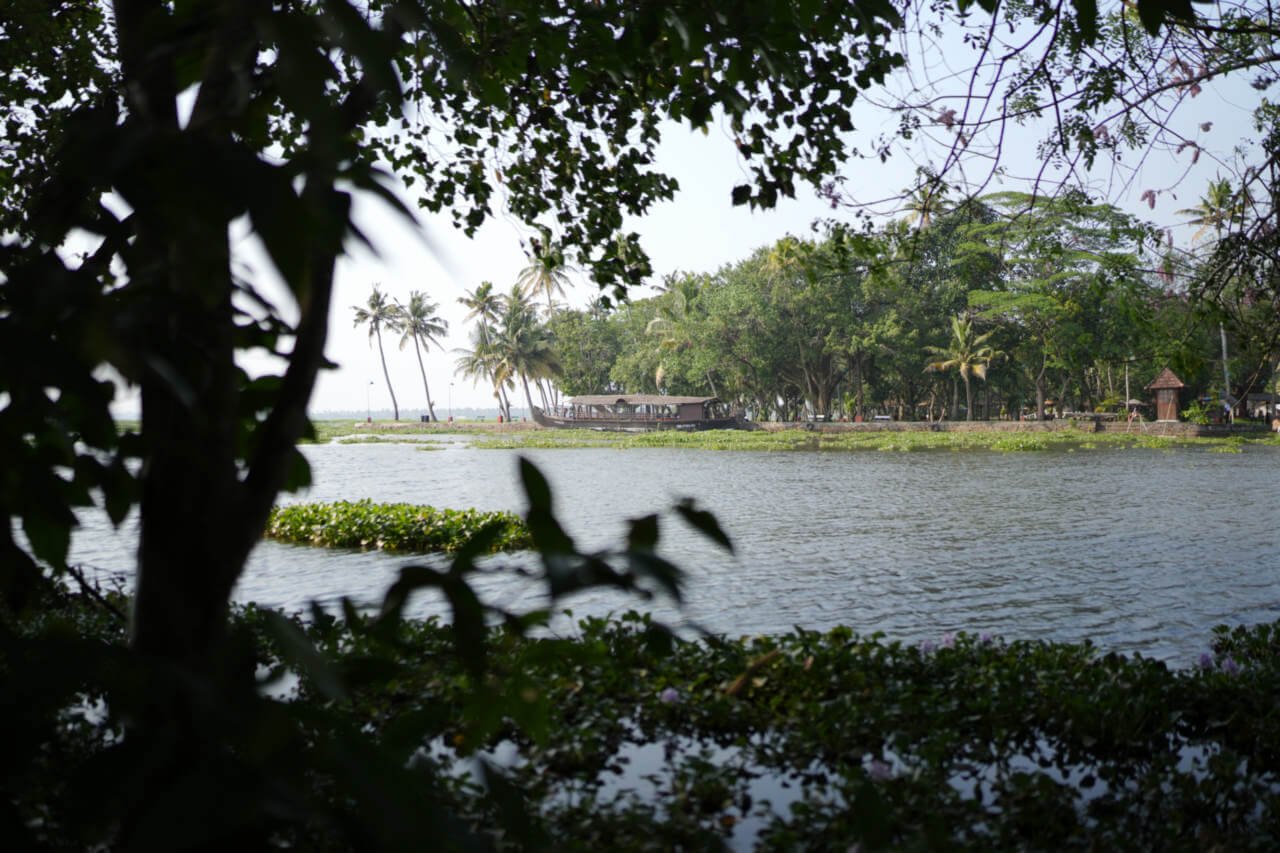
Kumarakom Bird Sanctuary sits quietly along the edge of Vembanad Lake, drawing travelers who enjoy slow mornings, green pathways, and the soft calls of wetland birds. The sanctuary covers a patchwork of mangroves, reed beds, and waterways that provide a seasonal home for flocks from far-off regions. Travelers often arrive curious about birdwatching, but they end up staying for the calm atmosphere that wraps around the entire place.
Kerala shelters many natural spots, yet this sanctuary holds a distinctive charm. Visiting feels less like a typical wildlife outing and more like entering a soft, green corridor where life moves at an easy pace. This guide takes you through everything needed for your trip: the wildlife, the walking trails, timing your visit, nearby experiences, and practical planning details.
Understanding the Essence of Kumarakom Bird Sanctuary
A Brief Look at Its Origins
The sanctuary evolved from a private rubber estate managed by an Englishman named Henry Baker. The wetlands near the estate attracted birds in massive numbers, and over time, the region gained recognition as a valuable ecological zone. The area eventually transitioned into a protected sanctuary under the Kerala Forest Department.
The entire stretch covers roughly 14 hectares, and though that size may appear modest, the dense vegetation and water networks support a surprising range of life. The habitat is shaped by the rhythms of Vembanad Lake, with seasonal floods and retreats controlling food supply, nesting zones, and the movement of birds.
What Makes the Habitat Special
Much of the sanctuary’s vegetation revolves around fresh and brackish water influence. You will come across aquatic plants, patches of bamboo, clusters of screw pines, and stretches of marsh grass. These create safe feeding spots for resident and migratory birds. Some areas stay wet throughout the year, forming steady roosting grounds.
The mosaic-like structure of the habitat allows different bird groups to occupy distinct pockets. Waders gather near shallow pools; raptors hover near open stretches; herons, egrets, and darters spread out through the waterways.
Birdwatching at Kumarakom Bird Sanctuary
Species You May Encounter
Visitors often speak about the surprising variety present during a single walk. The wetland attracts herons, darters, little cormorants, Indian pond herons, bronze-winged jacanas, egrets, and multiple kingfisher species. Resident birds stay throughout the year, though their activity patterns shift between monsoon, post-monsoon, and summer periods.
Travelers visiting from November to February will notice the arrival of winter guests. Migratory flocks include garganeys, teal species, and other waterfowl that travel enormous distances. The sanctuary serves as a seasonal resting and feeding zone for these long-distance travelers.
Local guides often help identify species through calls or flight silhouettes. Casual observers can still enjoy the sight of mixed flocks lifting off in synchronized arcs above the water.
Best Spots Inside the Sanctuary
A network of trails runs through shaded areas, eventually leading to watchtowers. The towers give a broad view of the water bodies and reed islands where birds gather. Early morning light creates excellent visibility for photography and spotting.
Most visitors start at the main entrance and follow the primary trail toward the first watchtower. From there, a side trail leads toward the lakeside ridge. The location offers a wide-angle view of Vembanad Lake. The edges of the trail create natural hideouts for smaller birds like tailorbirds and prinias.
Planning Your Visit
Best Time to Visit Kumarakom Bird Sanctuary
Travelers often choose the sanctuary between September and March. The weather stays pleasant and bird activity remains high. The first wave of migrant arrivals begins around late October, and mixed groups can be seen across the wetlands through winter.
Local birds display nesting behavior during the monsoon period, giving the entire sanctuary a lively feel with chicks, feeding adults, and scattered calls. If you enjoy rich greenery, the months just after the rains carry fresh foliage and moist trails.
Entry Timings and Tickets
The sanctuary usually opens from early morning until late afternoon. Morning hours offer the best birdwatching conditions. The forest department manages ticket sales at the entrance. Rates stay affordable for both domestic and international visitors.
It helps to reach early, especially if you plan to climb the watchtowers or take an extended walk. Wildlife activity declines during midday heat, so most travelers wrap up before noon.
Walking Trails Inside the Sanctuary
The main trail stays well-marked and runs through shaded sections lined with bamboo, pandanus, and reeds. Comfortable shoes make the walk easy, since the surface alternates between mud patches and paved stretches.
Some travelers take slow, meditative walks, pausing in quiet sections to observe bird calls echoing through the foliage. Photography enthusiasts tend to stay longer at the first watchtower, waiting for flocks to settle.
Mosquitoes appear during humid periods, so bring simple protection. A light water bottle helps as well, since small sections of the trail lack shops.
Boat Rides and Lake Experiences
Why Boat Rides Matter
Kumarakom sits along Vembanad Lake, one of the largest lakes in Kerala. Boats allow visitors to see birds from the water side, giving a fresh perspective of the sanctuary. Many birds stay near reed beds that remain partially hidden from the walking trails. A slow boat ride can reveal nesting zones, fishing birds, and flocks gliding close to the lake surface.
Small motorboats and traditional rowboats operate near the sanctuary. Guides often share notes on bird behavior, local ecology, and historical details about the backwaters.
Sunset and Early Morning Views
Sunrise paints the wetlands in gentle hues. The light skims over the water, revealing groups of waterbirds feeding near the edges. Early morning boat rides bring calm water, gentle breezes, and open views without crowding.
Evening rides deliver warm colors in the sky, silhouettes of birds flying home, and reflections across the lake. Photographers enjoy both timings for different moods.
Ecology, Conservation, and Local Community
Importance of the Wetlands
Wetlands like Kumarakom support life far beyond the bird species that attract tourists. Fish species, amphibians, crabs, and insects thrive here. Many birds depend on these food chains. Hydrological cycles around Vembanad Lake push nutrients into the marshes, helping the ecosystem renew itself each season.
Wetlands act as natural filters. They trap sediments and help maintain water quality. Local communities rely heavily on the lake for fishing, coir production, and traditional livelihoods.
Conservation Practices
Forest departments monitor bird populations across seasons. Local groups play a role in reporting disturbances, illegal fishing nets, or waste disposal near the lake. Awareness campaigns encourage travelers to respect the natural quiet of the sanctuary.
Plastic waste remains the biggest threat. Visitors can help protect the habitat by carrying reusable bottles, avoiding packaged snacks inside the sanctuary, and keeping noise levels low around nesting sites.
Travel Tips for a Smooth Experience
How to Reach Kumarakom Bird Sanctuary
Kumarakom sits roughly 16 km from Kottayam town. Buses, taxis, and private vehicles connect the two locations easily. Travelers arriving by train often choose Kottayam Railway Station. Those arriving by air usually land at Kochi International Airport.
Once inside Kumarakom, small auto-rickshaws and taxis take visitors directly to the sanctuary entrance.
Places to Stay Near the Sanctuary
Kumarakom offers a wide range of stays: lakeside resorts, homestays, and budget lodges. Many properties sit close to the sanctuary, reducing travel time. Travelers who enjoy nature walks often choose riverside homestays. Properties along the lake offer canoe rides and sunset views.
Food and Facilities
Tea shops and restaurants line the roads leading to the sanctuary. Kerala dishes such as appam, fish curry, puttu, and kappa meals feature strongly in local menus. Most visitors eat before entering the sanctuary, since food is not allowed inside the protected area.
Outdoor seating arrangements near the lake provide peaceful spots to unwind after your walk.
Photography Pointers
Birdwatching relies on patience. If you want crisp shots, carry a zoom lens—at least 200 mm helps. Soft morning light gives warm tones, though photographers enjoy the misty atmosphere during monsoon months too.
Move slowly through trails. Sudden movement scatters birds perched near low branches.
Nearby Attractions Worth Exploring
Vembanad Lake
A huge freshwater lake with channels running deep into Kumarakom and Kuttanad. Houseboats travel daily, offering slow cruises through coconut groves, rice fields, and small hamlets. Travelers often combine a half-day sanctuary visit with an evening lake trip.
Aruvikkuzhi Waterfall
Located a short drive from Kumarakom. The waterfall becomes active after monsoon rains. The walk to the falls passes through rubber estates and shady paths.
Pathiramanal Island
Accessible by boat. The island functions as an additional bird hotspot. Many visitors enjoy pairing it with a lake cruise.
Practical Do’s for Birdwatchers
Carry binoculars if you want close-up views. Waterbirds often stay far from the trails, so binoculars help study behavior clearly. Wearing earthy colors helps blend with the surroundings. Bright clothing tends to startle birds.
Start your walk at opening time. The first hour after sunrise delivers constant movement. Bird calls act as natural markers hinting at direction. If you travel with young children, plan shorter walks so they enjoy the experience without fatigue.
Extended Guide for Nature Lovers
Seasonal Transformations
Every three months, the sanctuary shifts character. Monsoon turns the paths moist and thick with foliage. Resident birds nest actively and call throughout the day. Post-monsoon brings dragonflies, butterflies, and lush greenery. Winter draws in migratory birds that spread across the lake. Summer dries some pools, pulling flocks closer to remaining water sources.
This cyclical transformation makes each visit distinct. Travelers who return during different seasons often notice fresh patterns in movement, plant growth, and colors.
Sounds of the Sanctuary
Early morning brings layered sound. You’ll hear shrill notes of kites circling above, harsh calls of herons, and soft chirps from smaller birds near the ground. The rustling of reeds amplifies the soundscape. Water gently lapping against the edges of the marshes creates a natural rhythm that follows you along the trail.
Atmosphere for Slow Travel
Many visitors arrive expecting a fast-paced wildlife session. The sanctuary responds better to slow observation. Taking time to listen, pause, and tune into the subtle movements around the water transforms the visit. Even a stormy day adds charm with drifting clouds and cool winds sweeping across the lake.
Safety and Comfort Tips
Walking Safety
Stick to marked trails. During monsoon, certain parts may get slippery, so take steady steps. Some stretches may have tree roots or uneven patches.
Carry only what you need: water, a light bag, a cap, sunscreen during summer, and optional rain protection in monsoon.
Wildlife Etiquette
Give birds space. Move quietly during nesting seasons. Avoid flash photography. Locals and forest staff appreciate travelers who treat the sanctuary with respect.
Cultural Connection Around Kumarakom
Life Around the Backwaters
Villages near the sanctuary depend on the backwaters for fishing, boating, spice farming, and coconut cultivation. Their routines align with the lake’s water levels. The sanctuary stands as part of a larger cultural landscape where human life and wetlands coexist in harmony.
Travelers often get a glimpse into daily life: fishermen casting nets early in the morning, women weaving mats, and children rowing small canoes.
Food Culture
Expect flavors centered around fresh coconut, spices, and fish. Meals draw from traditional recipes passed down through generations. This regional cuisine makes travel here more immersive.
Conclusion
Kumarakom Bird Sanctuary invites travelers into a quiet wetland where life flows in natural rhythm. Birds come and go across seasons, local communities continue age-old traditions, and the lake sustains the entire region. A visit here offers everything from peaceful walks to lively birdwatching sessions. The trails, boat rides, food culture, and surrounding attractions together create a memorable experience for nature lovers.
0 Comment