


Diwali in Kumarakom
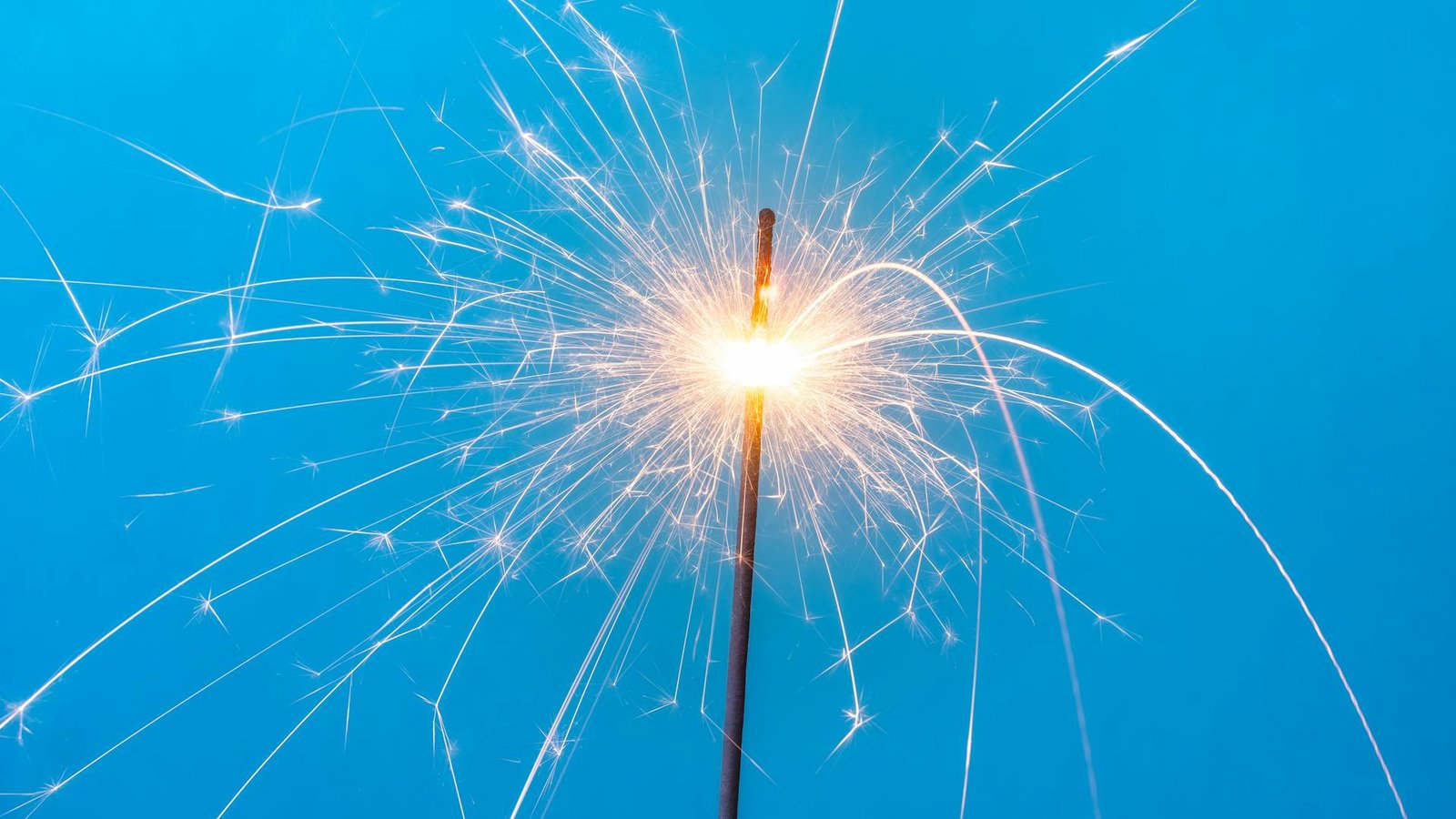
As the calendar flips to October 2025, the air across India thickens with anticipation for Diwali—the Festival of Lights, a radiant symphony of joy, renewal, and the triumph of good over evil. But imagine trading the urban blaze of firecrackers for a whisper-soft glow along emerald waterways, where the night’s sky mirrors a thousand flickering diyas on rippling lagoons. Welcome to Kumarakom, Kerala’s timeless backwater jewel, where Diwali unfolds not as a cacophony, but as a poetic embrace of tranquility and tradition. On October 20, 2025, as the Amavasya tithi casts its auspicious shadow, this slice of paradise invites you to celebrate with a serenity that lingers like the scent of jasmine in the monsoon air.
The Essence of Diwali: A Canvas of Light and Legacy
Diwali, rooted in ancient tales of Lord Rama’s victorious return to Ayodhya, symbolizes the dispelling of darkness—both literal and metaphorical. Families across the nation don new silks, exchange sweets, and illuminate homes with earthen lamps, invoking prosperity through Lakshmi Puja. Yet in Kerala, where festivals like Onam steal much of the spotlight, Diwali—known here as Deepavali—takes on a uniquely subdued, soul-stirring hue. It’s less about explosive revelry and more about introspective rituals: a pre-dawn oil bath infused with herbal elixirs for purification, followed by the meticulous arrangement of vilakku (oil lamps) in courtyards and along temple steps, their flames dancing like fireflies in the humid twilight.
In Kumarakom, this ritual gains an ethereal backdrop. Nestled on the fringes of Vembanad Lake, the village’s labyrinthine canals and swaying coconut palms transform into a living lantern. Picture rows of diyas bobbing on houseboat decks, their golden reflections weaving through the inky waters as kingfishers skim the surface at dusk. Local temples, like the ancient Kumarakom Bird Sanctuary-adjacent shrines, come alive with aarti chants that echo over the reeds, blending devotion with the chorus of nocturnal frogs.
A Day-by-Day Diwali Itinerary in Kumarakom: From Dawn’s Ritual to Dusk’s Glow
Why rush to the crowded metros when Kumarakom offers a bespoke festival woven into nature’s lap? Here’s a curated three-day escape for Diwali 2025, blending Kerala’s customs with the backwaters’ whisper.
Day 1: Arrival and the Sacred Ablution (October 19 – Naraka Chaturdasi)
Touch down in Kochi and glide southward to Kumarakom via a scenic two-hour drive, the roadside flanked by rubber plantations heavy with dew. Check into a heritage resort like the Kumarakom Lake Resort, where colonial bungalows overlook the lake’s glassy expanse. As evening falls, partake in the Naraka Chaturdasi ritual: a luxurious oil massage with sesame and neem blends, followed by a steaming bath under the stars. Emerge renewed, then join locals in lighting the first diyas—simple clay pots filled with coconut oil and wicks—arranged in intricate kolam patterns on your veranda. Savor a thali of sadhya-inspired fare: steamed rice, thoran veggies, and payasam pudding laced with jaggery, all under a canopy strung with marigold garlands.
Day 2: The Heart of Deepavali (October 20 – Lakshmi Puja)
Rise before the sun on Diwali’s core day, when the Chaturdashi tithi yields to Amavasya at midday. At a local home or resort-led session, perform Lakshmi Puja: invoke the goddess with chants, offerings of lotus flowers, and sweets like laddoos and jalebis that melt like forbidden dreams on your tongue. In Kumarakom’s twist, this unfolds on a moored houseboat—drift lazily as a pandit blesses the vessel, the puja’s bells harmonizing with the lap of water against wooden hulls.
By afternoon, embark on a sunset cruise through the backwaters. Houseboats, festooned with fairy lights and diyas, slice through channels fringed by paddy fields aglow in harvest gold. Spot egrets perched like sentinels as the sky ignites in saffron and rose. Evening brings cultural vignettes: a Mohiniyattam performance on the resort lawns, where lithe dancers in gold-embroidered mundus evoke tales of divine grace, their anklets tinkling like distant temple bells. Cap the night with fireworks muted by eco-conscious Kerala norms—perhaps eco-bursts over the lake—followed by a bonfire storytelling circle, sharing legends under a canopy of stars.
Day 3: Bhai Dooj and Gentle Farewells (October 21)
As the festival wanes, Bhai Dooj honors sibling bonds with tilak ceremonies and protective prayers. In Kumarakom, this means a leisurely birdwatching foray in the sanctuary—over 190 species flutter amid the festivities—before a riverside picnic of banana leaf-wrapped delicacies. Depart with a heart full of light, perhaps booking a deluxe package like the “Diwali Backwater Escape” for future whispers of return: two nights in a houseboat with gourmet festive meals for around Rs. 12,222 per couple.
Why Kumarakom? The Backwater Balm for Your Diwali Soul
In a world ablaze with excess, Kumarakom’s Diwali is a balm—a serene counterpoint to the frenzy elsewhere. Here, the festival isn’t imposed; it emerges organically from the land, where backwaters cradle ancient rites like a mother’s lap. Whether you’re a solo seeker chasing inner light or a family weaving new memories, this haven promises not just celebration, but transformation. As the diyas fade into dawn, you’ll carry home the quiet magic: that in the heart of darkness, even the gentlest glow can illuminate eternity.
Pro Tip: Book early—resorts fill with packages blending Ayurveda detoxes and boat safaris. And remember, Kerala’s eco-ethos means fireworks are whispers, not roars—pure, unadulterated peace.
Have you celebrated Diwali in the backwaters? Share your tales in the comments below. Until next light, namaste from God’s Own Country.
0 Comment