


A grounded guide to staying on a houseboat, how they really work, what to expect, and why the experience feels timeless
Introduction
Houseboats are usually sold with a particular kind of smile. The photos are bright, the water impossibly calm, the deck furniture suspiciously white. Everyone looks rested in a way that suggests they have never had to refill a water tank or figure out which switch controls the bilge pump. That version is not false, exactly, but it is incomplete.
This guide exists to fill in the rest of the picture.
Staying on a houseboat is not like checking into a floating hotel, and it is not quite like renting a cabin either. It sits somewhere in between. You are on the water, but not really at sea. You are at home, but everything gently moves. The experience is quieter, slower, and more tactile than most modern travel. It asks a little more of you in attention and patience, and in return it gives something that is increasingly rare: unhurried time that feels textured rather than scheduled.
If you are curious about houseboats but suspicious of marketing language, you are in the right place. What follows is a practical, honest look at how houseboats work, what daily life onboard actually feels like, who tends to love the experience, who does not, and why so many people come away from a houseboat stay feeling oddly reset.



What a Houseboat Actually Is and What It Is Not
Floating home, not a floating hotel
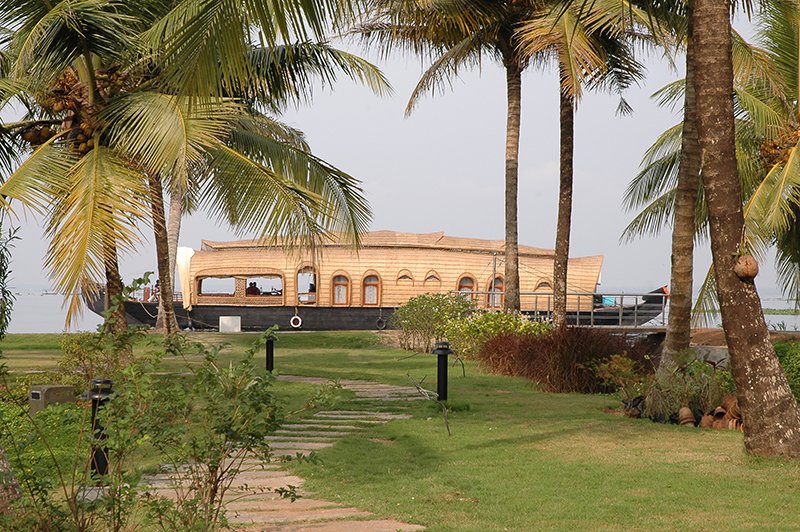
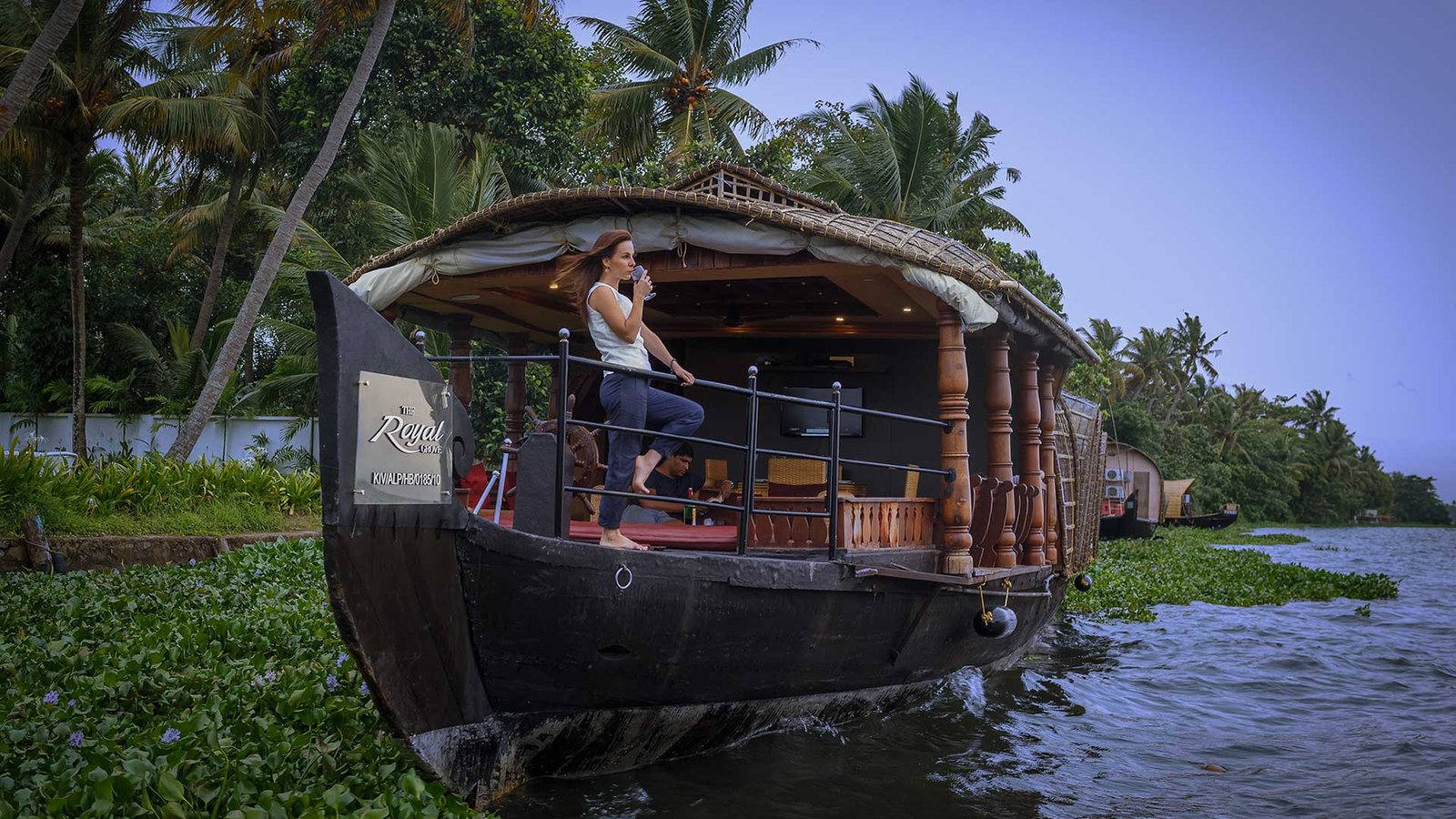
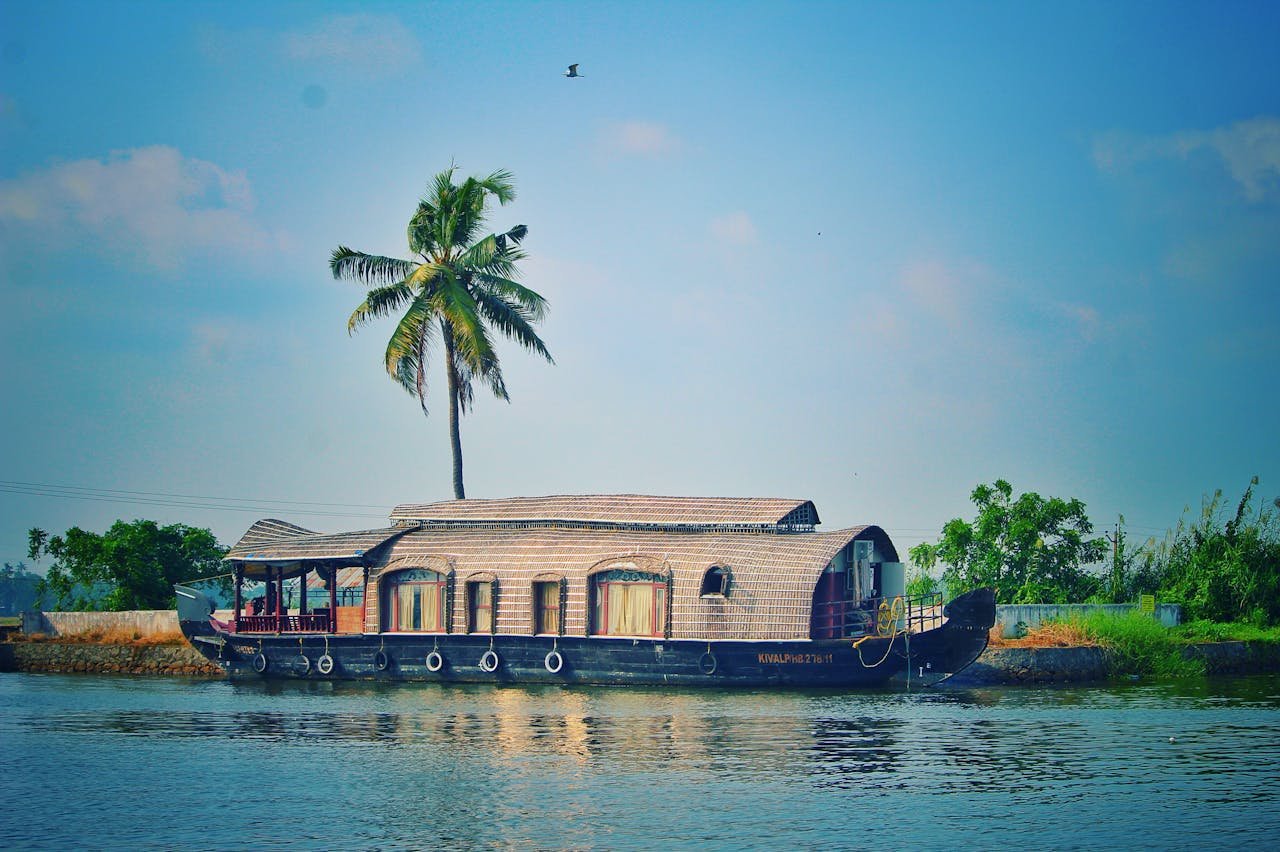
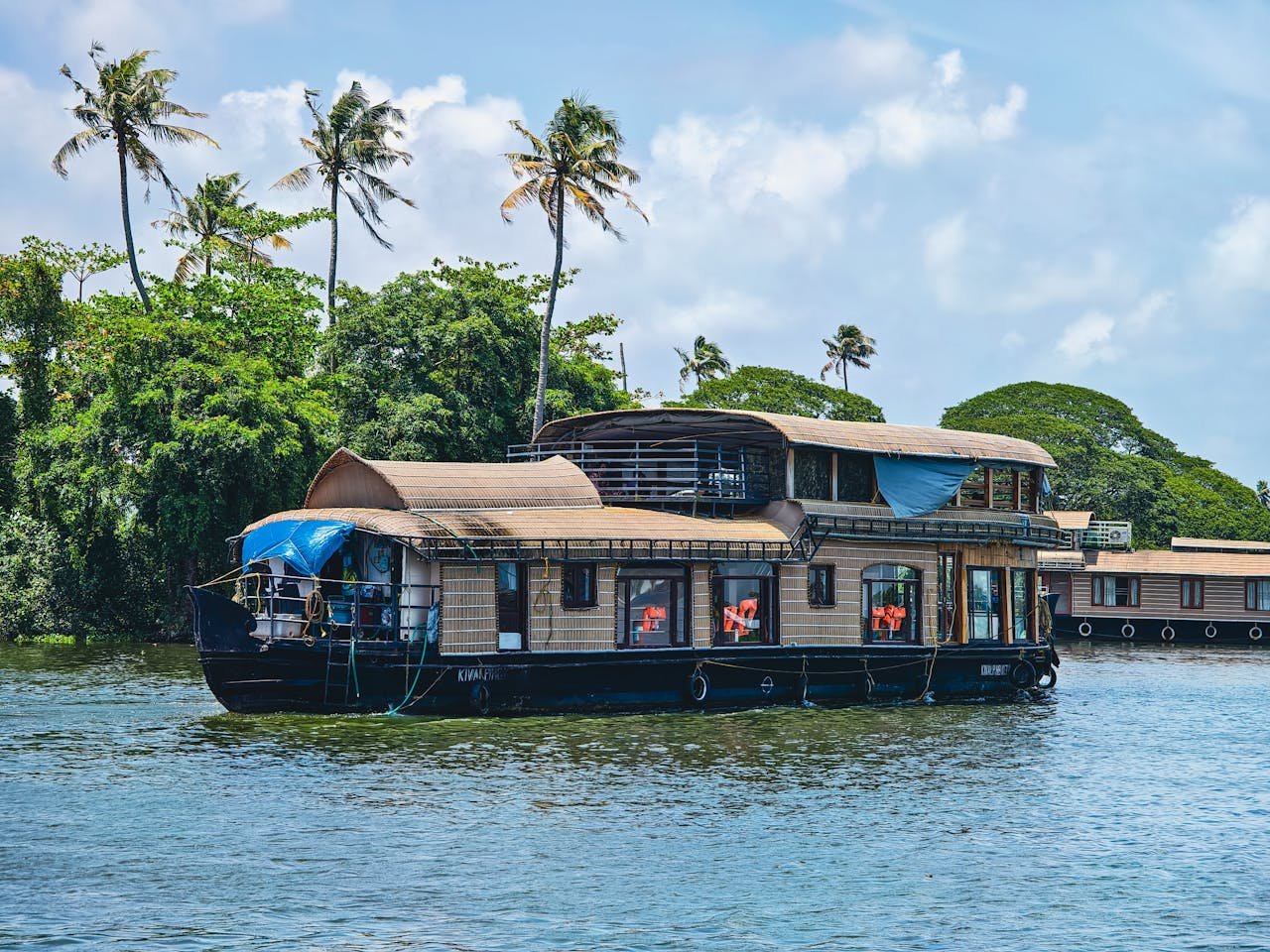
A houseboat is best understood as a small, self contained floating home. It is designed for living, not for speed or spectacle. This is an important distinction. Many people imagine a houseboat as a kind of slow yacht, but the comparison breaks down quickly once you step aboard.
Houseboats prioritize interior space over performance. They are usually boxier, wider, and more stable than recreational boats built for cruising. You will find proper beds instead of berths, kitchens instead of galleys, and living spaces meant to be used rather than passed through. You will also find fewer staff and fewer invisible systems smoothing out your experience.
There is no room service. There is no daily housekeeping. If something needs adjusting, you adjust it. That sense of participation is part of the appeal. You are not being carried through an experience, you are inhabiting it.
Common types of houseboats
Houseboats come in several broad categories, and the differences matter more than brochures tend to admit.
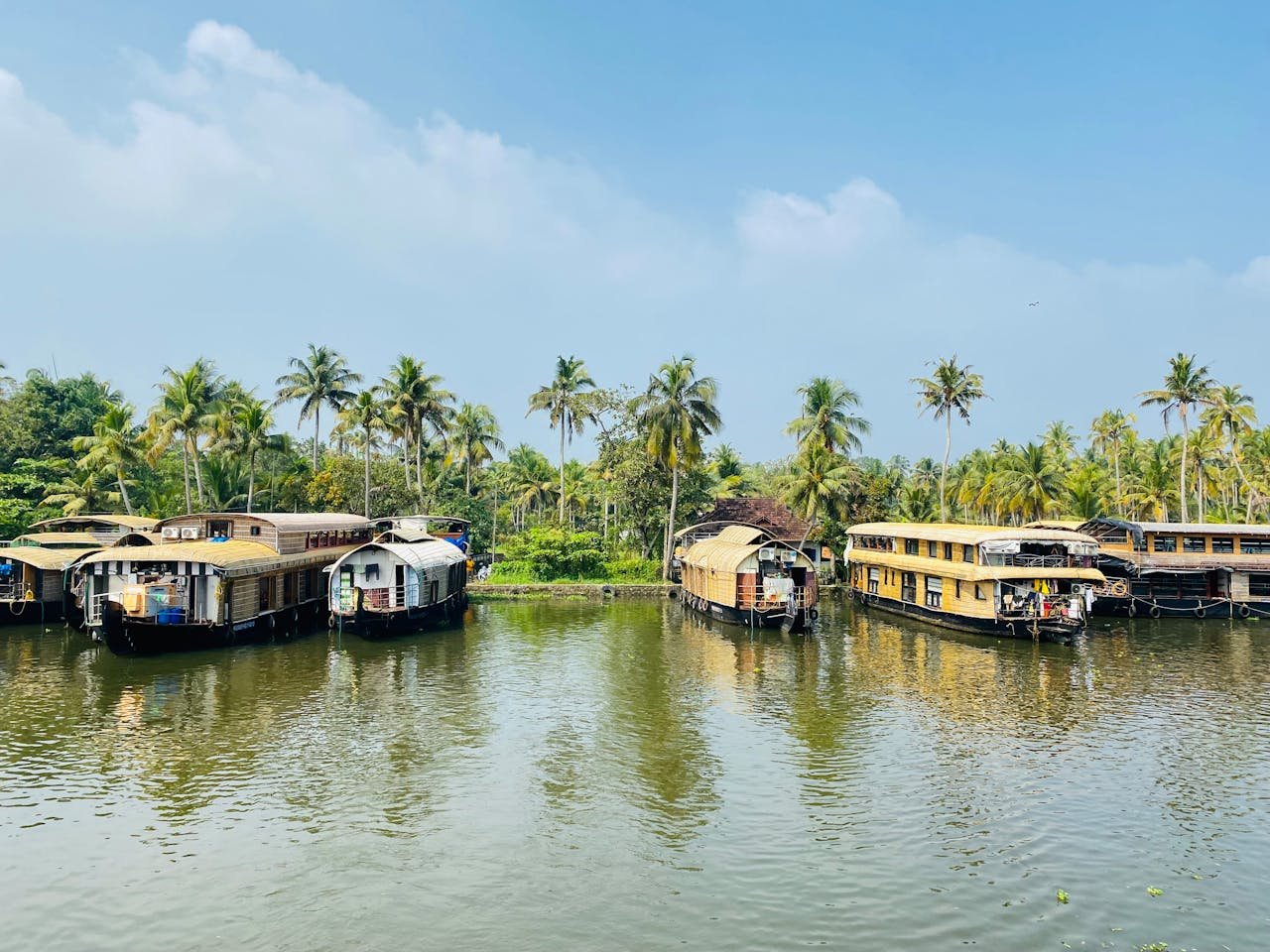
Some houseboats are stationary, permanently moored at marinas or docks. These feel closest to tiny floating apartments. They often have full hookups to shore power and water, making them more comfortable for longer stays or people who want the water without the responsibility of navigation.
Others are self drive houseboats designed for lakes, rivers, and canals. These are the classic vacation houseboats. They move slowly, steer simply, and are meant to be operated by beginners after a short orientation. They offer more freedom but also require more awareness.
There are also luxury houseboats that blur the line between floating home and high end rental. These may include multiple bedrooms, climate control systems, rooftop decks, and sleek interiors. They are still houseboats, but they cushion the rough edges more than simpler models.
What they all share is a pace and a purpose that resists hurry.
Size, mobility, and expectations
Houseboats are larger than they look from shore and smaller than they feel in photos. Space is used efficiently, but storage is limited. Movement is slow and deliberate. Tight turns and narrow docks are part of the experience, not mistakes to be avoided.
The most common mismatch of expectations comes from assuming a houseboat will behave like a car or even a standard motorboat. It will not. It responds gradually. It requires anticipation. Learning to work with that rhythm is one of the first quiet lessons a houseboat teaches.
How Houseboats Work Behind the Scenes
Power, water, and waste systems
A houseboat is a lesson in finite resources, delivered gently but persistently.
Power may come from shore connections when docked, from onboard generators, or from batteries supported by solar panels. This means you become aware of what uses electricity and when. Running multiple appliances at once may not be possible. Air conditioning might be limited to certain hours. These constraints are not dramatic, but they shape behavior.
Water is stored in tanks and must be refilled periodically. Long showers feel indulgent in a way they rarely do on land. Washing dishes becomes a more mindful act. You begin to notice how much water everyday life quietly consumes.
Waste systems are similarly straightforward. Grey water from sinks and showers goes into holding tanks. Black water from toilets does the same. These tanks must be emptied at designated facilities. It is not glamorous, but it is simple and well explained, and most people adapt quickly.
What surprises many first time guests is how quickly these systems fade into the background once routines form. Awareness does not mean anxiety. It means participation.
Navigation basics
Driving a houseboat is far less intimidating than it sounds and far slower than most people expect.
Speeds are low. Often walking pace. Steering is deliberate and forgiving. There is plenty of time to correct mistakes. The biggest challenge is wind, which can push a large, flat sided vessel around more than expected.
Docking is the moment that raises heart rates. It looks complicated and feels exposed. In practice, it is a sequence of small adjustments made calmly. Staff usually provide clear instructions and are often nearby during initial attempts.
The key is understanding that momentum works differently on water. You plan ahead. You let the boat respond. You stop trying to force outcomes. This mindset extends beyond navigation and into the rest of the experience.
Maintenance and minor inconveniences
Things will creak. Floors may tilt slightly. You may hear water moving through pipes. These are not flaws. They are reminders that you are on a floating structure, not a static building.
Occasionally something does not work perfectly. A light flickers. A latch sticks. These moments tend to be minor and solvable. They also ground the experience in reality rather than fantasy.
Houseboats are not about seamless perfection. They are about livable imperfection.
What It Actually Feels Like to Stay on a Houseboat
The rhythm of a day onboard
Mornings on a houseboat feel different almost immediately. Light reflects off the water and moves across walls and ceilings. Sounds are softer and more layered. Water laps against the hull. Birds feel closer. Even when docked, the environment feels alive.
Coffee tastes the same, but drinking it on a deck that gently shifts changes the experience. Time seems less segmented. Without traffic or fixed schedules, mornings stretch.
During the day, movement becomes meditative. Watching shoreline pass slowly invites observation rather than consumption. You notice small details. Trees lean. Docks appear and disappear. Weather shifts are felt rather than checked.
Evenings bring a particular stillness. As engines go quiet and light fades, water becomes a mirror. Conversations soften. Screens lose their pull. Night arrives gradually and feels earned.
Comfort, space, and compromise
Houseboats are comfortable, but they are not indulgent. Beds are good but not expansive. Kitchens are functional but compact. Climate control may be uneven.
You share space closely with others. There are fewer doors and thinner walls. Privacy exists, but it is negotiated rather than guaranteed.
This can be challenging for some people. For others, it becomes part of the charm. Shared space encourages presence. You notice each other more. You coordinate rather than isolate.
There is also a subtle satisfaction in living slightly closer to the limits of space and systems. It sharpens attention. It makes small comforts feel meaningful.
Sensory surprises
Many people expect motion to be the defining sensation of a houseboat stay. In reality, stability is more noticeable than movement, especially on calm water. Seasickness is rare on inland waterways.
What surprises more often is sound. Water has a voice. It gurgles, taps, and sighs. Wind hums through rigging. Rain sounds different on a roof that floats.
These sensory details create a kind of low level immersion. You are not watching nature from a distance. You are inside it.
Who Houseboats Are Perfect For and Who They Are Not
Ideal travelers
Houseboats reward patience, curiosity, and comfort with ambiguity. People who enjoy slow travel tend to thrive. So do couples and small groups who like shared experiences.
Creative types often find houseboats conducive to thinking and reflection. The combination of movement and stillness seems to unlock attention. Writers, artists, and anyone feeling mentally cluttered often report unexpected clarity.
Houseboats also appeal to people who enjoy learning small systems and routines. There is satisfaction in understanding how your floating home works and adjusting your behavior accordingly.
Who may struggle
Houseboats are not ideal for travelers seeking luxury without effort. If you expect everything to be handled invisibly, the experience may feel inconvenient rather than charming.
Large groups can struggle with limited space and shared facilities. People who require rigid schedules or high levels of privacy may feel constrained.
Discomfort with uncertainty is another barrier. Weather changes plans. Systems require attention. Flexibility is not optional.
Knowing this in advance saves disappointment. A houseboat does not try to be everything. It does one thing well.
Why the Houseboat Experience Feels Timeless
A pace older than modern travel
Houseboats echo a way of moving through the world that predates engines and itineraries. Rivers were once the primary roads. Living on water was practical, not recreational.
That legacy lingers. Movement is measured in hours, not minutes. Distance is felt rather than calculated. The landscape unfolds gradually.
In a world optimized for speed, this feels radical.
Disconnection without isolation
Houseboats offer a rare balance. You are removed from constant digital demands, but not from comfort or safety. You can still cook real meals. You can still sleep well. You are not performing survival.
This middle ground allows attention to drift outward. Without constant input, the mind wanders productively. Conversations deepen. Silence becomes companionable rather than awkward.
Many people describe returning from a houseboat stay feeling both rested and strangely alert, as if something fundamental has been recalibrated.
Memory and meaning
Experiences that involve active participation tend to linger. Houseboats require engagement, even in small ways. You steer. You monitor resources. You respond to conditions.
These actions anchor memory. The trip does not blur. It remains specific.
That specificity is part of why houseboat stays are remembered long after more polished vacations fade.
Frequently Asked Questions
Are houseboats safe for beginners?
Yes, with reasonable expectations. Most rental houseboats are designed for novices and operate on calm inland waterways. Orientation sessions cover essential systems and navigation basics. Caution and attentiveness matter more than prior experience.
Do houseboats cause motion sickness?
Rarely. Houseboats are stable and move slowly. On lakes and rivers, waves are minimal. People prone to seasickness often find houseboats surprisingly comfortable.
Is staying on a houseboat expensive?
Costs vary widely. Basic houseboats can be comparable to vacation rentals when shared among a small group. Luxury models cost more but include features that offset price for certain travelers. Fuel, marina fees, and provisioning should be considered.
Can you live on a houseboat long term?
Yes, though regulations vary by location. Long term living requires attention to maintenance, utilities, and legal considerations. Many people do it successfully, drawn by the simplicity and proximity to water.
Conclusion
Houseboats do not promise escape in the conventional sense. They offer something quieter and arguably more valuable: a chance to inhabit time differently. By slowing movement, narrowing space, and making systems visible, they invite attention back into daily life.
Staying on a houseboat is not about pretending life is effortless. It is about discovering that effort, when modest and meaningful, can be grounding rather than draining. The water moves. The light shifts. You adapt.
That is the real appeal, stripped of brochure gloss.
0 Comment