

The first glimpse of Vembanad Lake near Kumarakom always carries a quiet pull. The water spreads out like a massive sheet of blue-grey glass, calm on some mornings and textured on others when the breeze moves across it. The lake sits at the heart of Kerala’s backwater country, shaping daily life, food, the rhythm of travel, and the small stories that drift through the region. A long stay here gives room to watch the lake change through the hours – dawn light slipping across the water, afternoon boats tracing lines in the distance, and evenings that turn the sky orange behind palms.
Kumarakom remains one of the most popular gateways to this lake, but spending time here can still feel personal. Fisherfolk push narrow canoes past patches of water hyacinth. Houseboats glide by with an almost unhurried spirit. The lake doesn’t rush anyone, and that has a way of slowing down visitors too. It’s easy to settle into the soft pace of this place.
Much of the appeal lies in how simple moments become memorable. A cool breeze across the verandah of a lakeside stay. The call of a cormorant perched on a wooden post. The sight of bright green rice fields right beside the water. Vembanad Lake Kumarakom offers this mix of raw nature, small cultural pockets, and a kind of laid-back charm that travelers often look for when exploring Kerala.
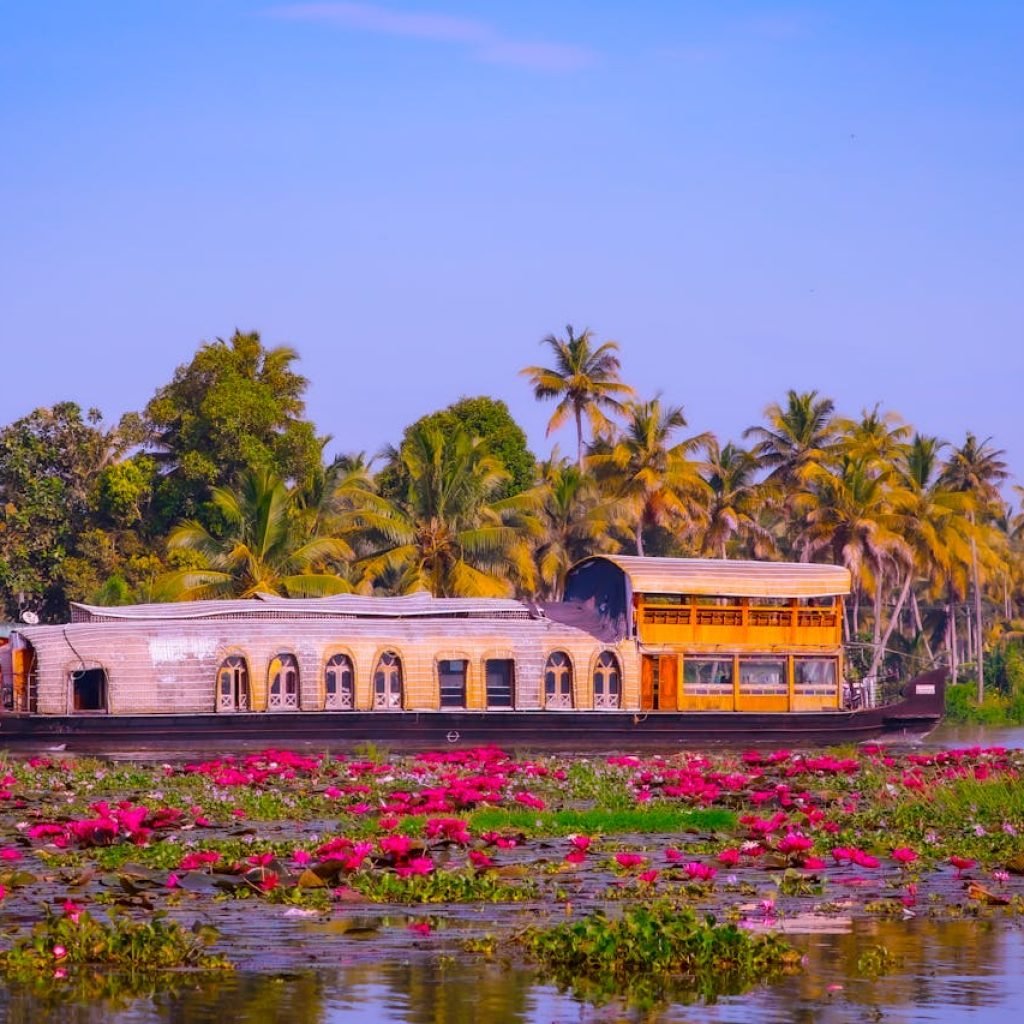
Houseboats are almost a symbol of the entire region. Spending a day or a night on one brings you closer to the pulse of the backwaters. Most boats start from either Kumarakom or Alleppey, moving quietly along the lake and through channels lined with palms, water plants, and small villages. The staff cooks fresh meals using local produce – often pearlspot fish or small prawns caught in the area.
Prices vary depending on size and comfort level, but a private one-bedroom boat usually starts from around ₹7,000–₹9,000 per night with food included. Afternoon trips without overnight stays come to around ₹2,000–₹4,000 per hour.
Located right beside the lake, this sanctuary spreads across marshes and canals fed by Vembanad. It’s best visited during early morning hours when bird calls fill the air and the pathways stay cool. Visitors often spot egrets, herons, cormorants, snakebirds, and kingfishers. During certain seasons, migratory guests from far-off regions settle here.
Entry fee: About ₹100 for Indian travelers and ₹150–200 for others.
Towering houseboats are striking, but the real pulse of the lake hides inside its narrow channels. A slow canoe ride through small waterways offers a better look at the region’s daily life. You might pass a man casting nets, women washing clothes beside steps that lead into the water, or kids splashing around after school.
These trips are usually short and affordable: ₹500–₹1,000 per person for a couple of hours.
Around late afternoon, visitors often gather along certain stretches of the lake or settle into decks of restaurants overlooking the water. The sky puts on a colorful show that reflects across the surface. The best places for viewing lie near the Kumarakom jetty or around the open lakefront near the boat stations.
The lower parts of the region hold massive stretches of paddy fields. These fields lie slightly below sea level and form one of the most scenic farming zones in the state. Standing at the edge of these green expanses with the lake in the background gives a striking contrast of land and water. Local drivers often include a stop here during day tours.
Kumarakom has many homestays where travelers can join home-cooked meals. Pearlspot roasted in banana leaf, tapioca with fish curry, duck roast, and small prawns cooked with coconut often appear on the menu. Eating in a family kitchen gives a strong sense of the region’s flavors beyond restaurant meals.
A number of lakeside resorts offer massage treatments using herbal oils. Travelers often spend long afternoons in these quiet rooms with diffused light and the scent of warm oil filling the air. The lake breeze outside completes the calming atmosphere.
Alleppey lies around 35–45 minutes away. A half-day visit can include its beach, local markets, or a short boat trip from a different section of the backwaters. The vibe differs from Kumarakom, giving more variation to your stay.
You might see coir workers drying husks beside the lake or farmers tending to their fields. A friendly chat can reveal much about seasonal rhythms, traditional fishing methods, and the changes locals have observed on the lake over time.
Traveling around Vembanad Lake Kumarakom stays fairly safe, but conditions around water always deserve attention. When taking small boats, wearing life jackets is standard practice. Houseboats maintain safety equipment on board but checking before departure helps.
The pathways around the lake can get slippery after heavy rain. Sandals with grip or lightweight shoes help during morning walks around the sanctuary.
Solo travelers — especially women — often describe the region as comfortable. People working in tourism tend to be used to travelers, and local communities remain polite and approachable.
Emergency numbers to keep handy:
The lakefront areas around Kumarakom offer stays in many budgets. Some sit right at the water’s edge with tiny private jetties, while others remain tucked in quiet lanes lined with coconut palms.
Recommended stays:
Daily expenses vary based on where you stay and how many activities you choose. Here’s a rough guide:
For a week-long stay, travelers often spend between ₹12,000 and ₹35,000 excluding accommodation.
Autos form the backbone of local movement. They’re quick to flag down and drivers usually know all the common routes. Rickshaw apps function in some areas but not everywhere.
For longer day trips, taxis are the easier option. Drivers often act as informal guides, pointing out small sights along the way. Buses do run between nearby towns, though speeds are slow and schedules irregular.
Houseboats and canoe trips double as transport and experience. Most stays can arrange pick-ups from their private jetties.
The cooler months from late October to early March offer pleasant conditions across most of Kerala, and the lake region stays enjoyable during these months. Skies stay clearer and the light has a crisp quality that photographers love.
April and May bring warmth but fewer crowds. The monsoon from June onward transforms the entire region into a lush green spread. Travelers who enjoy moody weather and long hours of rain often plan visits during this period.
Yes. The area around Kumarakom stays comfortable for newcomers and offers a calm introduction to the backwater region.
Three to five days gives plenty of time to enjoy boat rides, birdwatching, and nearby villages.
Most private houseboats provide lunch, evening snacks, dinner, and breakfast.
It’s discouraged in most zones because of depth and boat traffic.
They appear during evenings near the water. Carry a repellent and use nets where available.
Kochi International Airport, around 75–85 km away.
Families enjoy the area, especially houseboat rides and nature walks.
During peak travel months, early booking helps secure better boats.
Yes. Most places offer several vegetarian dishes using coconut, rice, and seasonal produce.
Time near Vembanad Lake Kumarakom lingers in memory through countless small impressions — a slow breeze brushing the skin, the ripple of water as a canoe drifts by, the silhouette of palms against an early morning sky. Visitors often leave with a sense of stillness they didn’t expect. For those looking for a place to unwind while still keeping close to nature and tradition, this lake has a way of offering exactly that.