

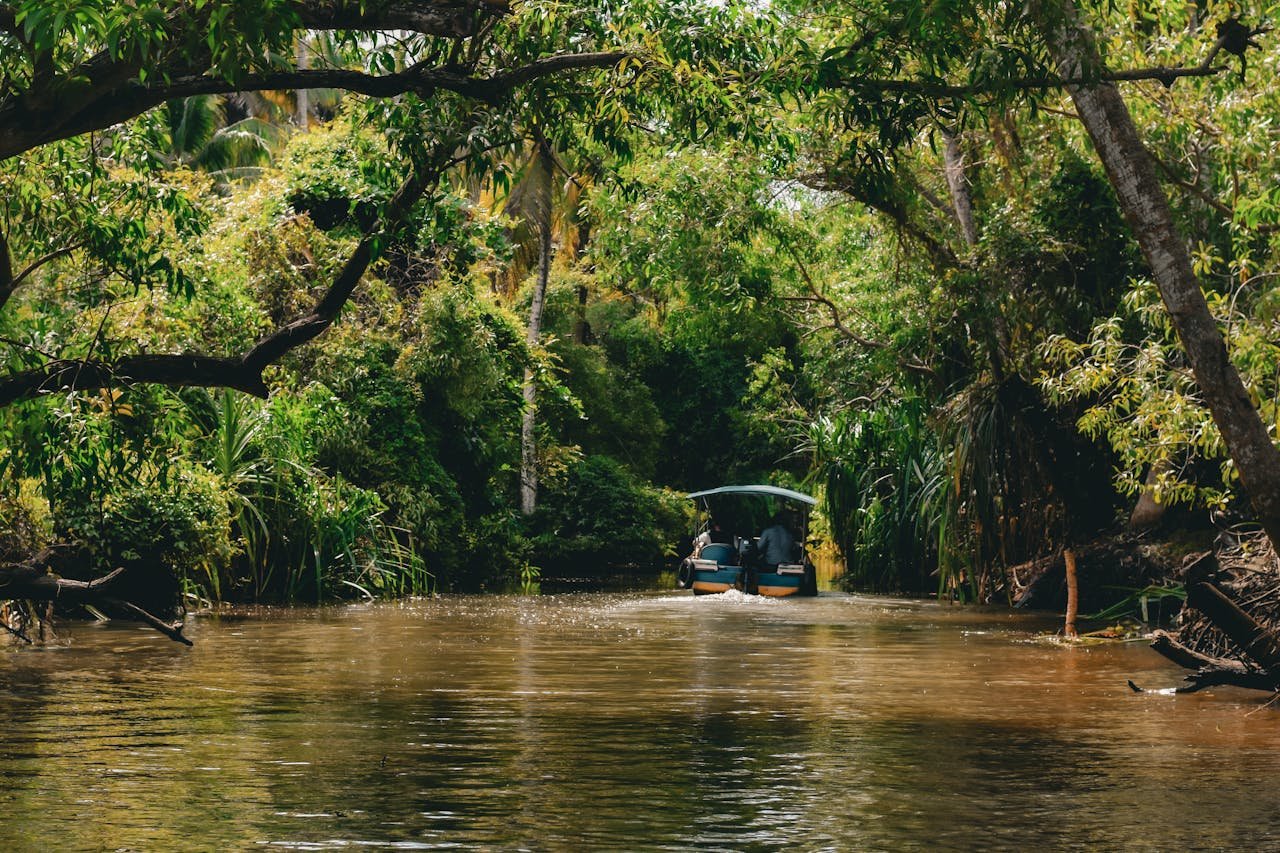

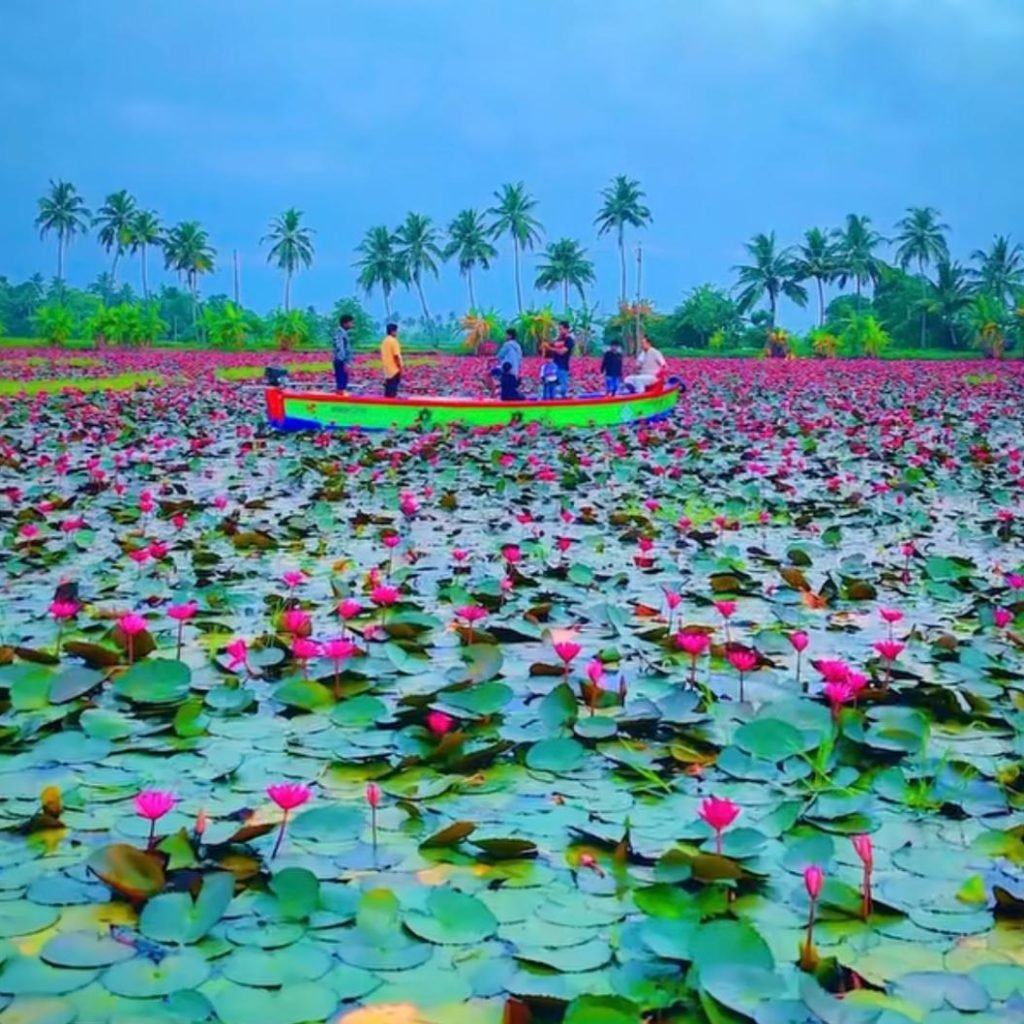
Picture a place where palm trees sway gently over shimmering backwaters, where houseboats glide like silent guardians of old secrets, and where the air carries the faint scent of coconut and fresh rain. That is Kumarakom today, a quiet village in the heart of Kerala, India. But this serene spot did not always look like a postcard from paradise. Its story stretches back through centuries of legends, battles, and bold changes made by people from far away. In this post, we will walk through the history of Kumarakom step by step. We will start with its ancient beginnings and move forward to the present day. Along the way, I will explain each part clearly so you can see how this small village grew into the gem it is now.
The Birth of the Land: Myths and Early Days
To understand Kumarakom, we need to go back to the very start of Kerala itself. Local stories tell of a great warrior priest named Parasurama. He was one of the ten forms that the god Vishnu took on earth. The tale goes that Parasurama threw his axe into the sea with all his might. The waters pulled back, and in their place rose the lush land of Kerala. This is how the coastal strip, including areas like Kumarakom, came to be. It is a myth, of course, but it shows how people here have long seen their home as a gift from the divine, born from water and earth.
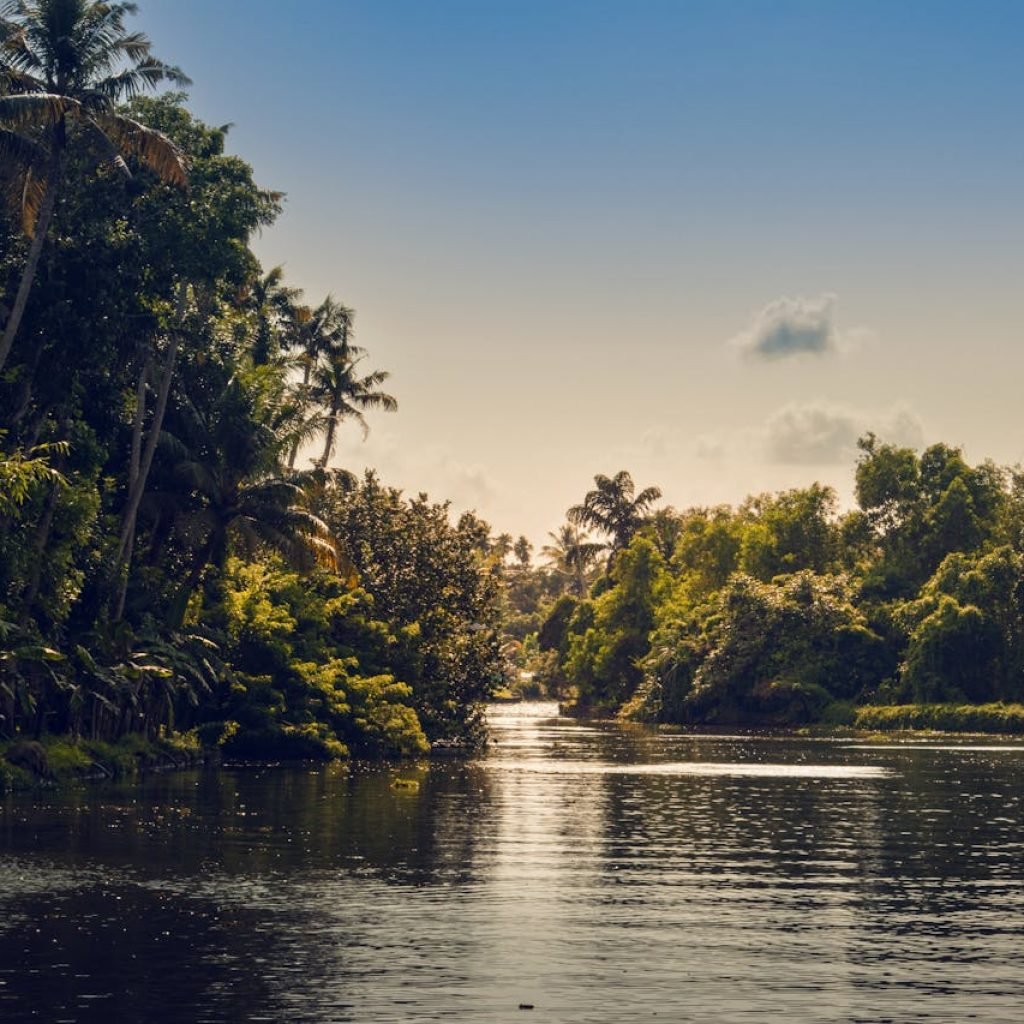
Kumarakom sits on the shores of Vembanad Lake, the biggest lake in Kerala. This lake fed the village from the beginning. The name Kumarakom comes from an old temple dedicated to Kumaran, a god of war and youth in Hindu beliefs. “Kumaran’s Akam” meant the place of Kumaran, and over time, that simple phrase turned into the village’s name. Early settlers likely gathered around this temple for worship and community life. They fished in the lake and grew rice in the wet fields nearby.
As time passed, Kumarakom became part of larger kingdoms in the region. In those days, southern India had many small rulers fighting for control. Kumarakom fell under the Vadakkumkur kingdom, also called Thekkumkur in some records. This was a time of rivalries and alliances. Kings built forts and traded spices, pearls, and cloth with visitors from across the ocean. The village was not a big center then, but its location by the water made it useful for moving goods. Merchants from places like Arabia and China stopped here, swapping stories as much as silks. Imagine wooden boats loaded with pepper docking at simple piers, while local farmers watched from the banks.
Life was simple but tied to the rhythms of the monsoons. The land around Kumarakom is part of Kuttanad, a flat area that dips below sea level. People learned to farm in this tricky terrain by building dikes and canals. They grew paddy, the rice that feeds Kerala, and coconuts that provide shade and food. But peace did not last forever. In 1750, a powerful king named Marthanda Varma changed everything. He ruled the nearby kingdom of Travancore and wanted to expand his lands. He led his army against Vadakkumkur and won. Kumarakom and the areas around it joined Travancore. From then on, the village paid taxes to this larger realm and followed its laws.
Under Travancore rule, things settled into a steady pattern. The kings gave land to families for farming. In Kumarakom, this meant more fields for rice and coconut groves. The rulers built temples and paths to connect villages. They also welcomed Christian missionaries from Europe, who brought new ideas about education and faith. This mix of Hindu traditions and incoming influences set the stage for what came next.
A Turn in the Tide: The Arrival of the Bakers
Fast forward to the 1800s. The British East India Company had a firm grip on much of India. They traded tea, cotton, and spices, but they also spread their ways of life. In 1847, a man named Alfred George Baker stepped into Kumarakom and started a new chapter. Baker was British, born to a missionary family. He came to Kerala as a young man, full of energy and plans. Locals called him “Kari Saipu,” which means something like “Mr. Baker” in their tongue, with “Kari” perhaps nodding to his dark suits or the black soil he worked.
Baker saw the vast wetlands around Kumarakom as a chance. These were swamps and shallow waters, hard to use but full of promise. He asked the Travancore government for about 500 acres. They granted it to him for growing coconuts and rice. With hard work and clever methods, Baker drained the water and turned mud into fields. He dug canals to control floods and planted rows of palms that still stand today. This was no small task. In an age before machines, it took teams of workers, local knowledge, and patience. Baker treated his laborers well, paying fair wages and building homes for them. He spoke Malayalam, the language of Kerala, and wore the simple white cloth called a mundu. This helped him blend in, unlike many outsiders.
Baker did more than farm. As a missionary’s son, he cared about learning. He started schools for children in the area, teaching reading, math, and basic skills. One of his daughters later founded the Baker Memorial School in nearby Kottayam in 1925. It still runs today, a living mark of the family’s gifts. Baker married a local woman and raised a big family. Four generations of Bakers lived in Kumarakom, turning their home into a center of community life.
Their house, now called the History House, became famous. It was a sturdy building with wide verandas to catch the breeze. Inside, rooms held books, maps, and tools from England mixed with Kerala crafts. The Bakers hosted travelers and officials, sharing meals of fish curry and rice. But life was not all ease. Monsoons could flood the fields, and diseases spread in the damp air. Still, the family stayed, adapting and growing with the land.
This era brought other changes too. The British influence spread roads and post offices. Kumarakom linked better to Kottayam town, just 14 kilometers away. Farmers sold their coconuts in bigger markets, and the village grew a bit. Yet, it kept its quiet feel. No grand palaces rose here, just practical homes and boats on the lake.
From Family Lands to National Treasure: The 20th Century Onward
The Bakers left in 1962, after almost 120 years. Their house fell into disrepair, vines creeping over the walls. But Kumarakom did not fade. India gained freedom from British rule in 1947, and Kerala became a state in 1956. New governments focused on progress. They improved farming with better seeds and pumps to handle water. The backwaters, once just paths for canoes, became routes for trade.
In the 1970s and 1980s, eyes turned to tourism. Kumarakom’s beauty—its birds, boats, and calm—drew visitors. The government set up the Kumarakom Bird Sanctuary in 1987. It covers 14 acres on an island in Vembanad Lake. Migratory birds like Siberian cranes flock here in winter, turning the sky into a living painting. This sanctuary put Kumarakom on maps worldwide.
The old Baker house got a new life too. In the 1990s, the Taj Group, a hotel chain, bought and restored it. They turned it into the Taj Garden Retreat, a luxury stay that honors the past. Guests sleep in rooms with high ceilings and eat at tables once used by the Bakers. It shows how history and comfort can mix.
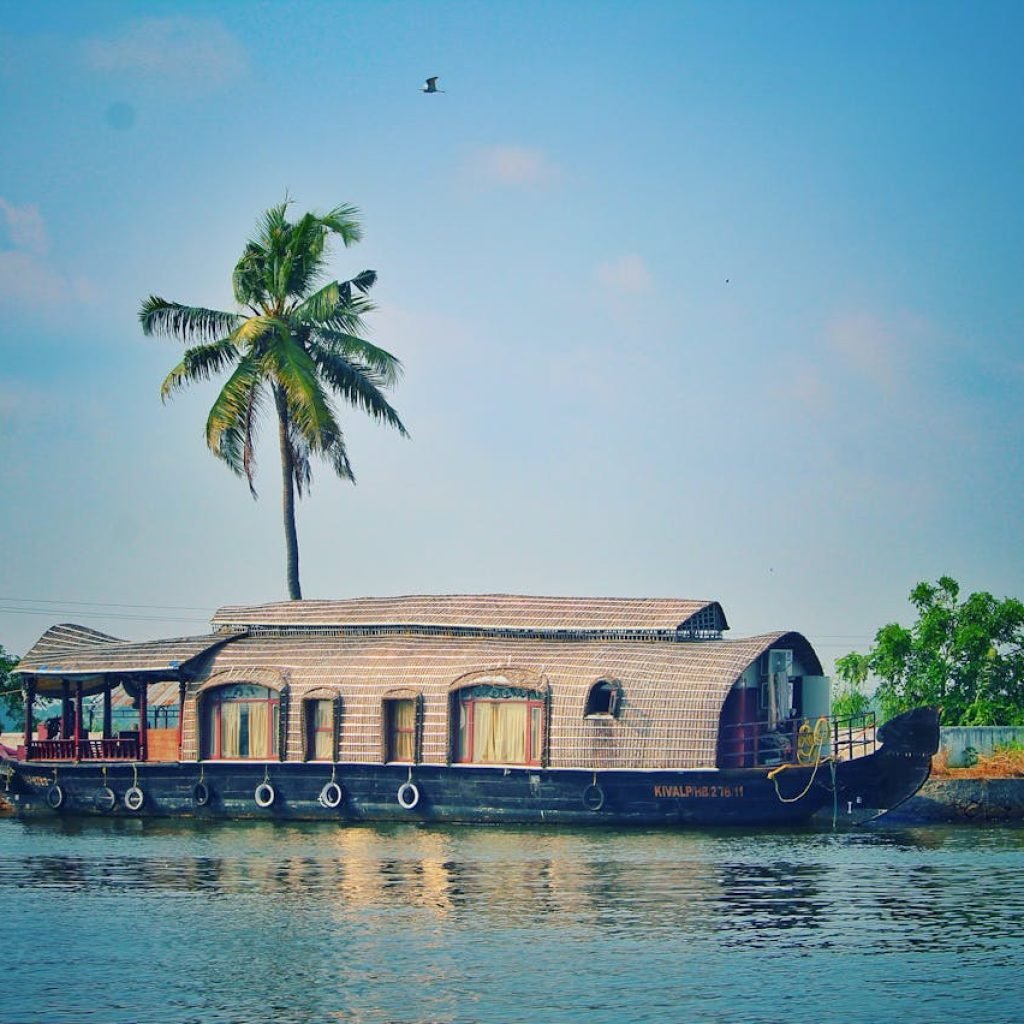
Kumarakom touched the national spotlight in December 2000. India’s Prime Minister Atal Bihari Vajpayee visited. He stayed in a houseboat, praising the village’s peace. This brought more attention and money for roads and protections. In 2005, the Kerala government named it a special tourism zone under a new law. This meant rules to keep the environment clean and development smart.
Writers added to the fame. Arundhati Roy, who won the Booker Prize, spent her childhood near Kumarakom in Aymanam village. Her book The God of Small Things paints vivid pictures of the backwaters and family dramas. The Ayemenem house from the story still stands, reachable by boat. Readers flock to see it, blending literature with landscape.
Today, Kumarakom balances old and new. Farmers still tend paddy fields at dawn. Fishermen cast nets from wooden crafts. But houseboats with air conditioning carry tourists at sunset. The village teaches us about change—how water shapes land, how strangers become neighbors, and how quiet places hold big stories.
Echoes of the Past: What Kumarakom Teaches Us
As we wrap up this journey through time, think about what makes Kumarakom special. It started as sacred ground for a god, became a battlefield prize, then a farmer’s dream under foreign hands. Each step built on the last. The wetlands Baker tamed feed people now. The schools he started educate the young. The lake that birthed it all still mirrors the sky.
If you visit, walk the paths at dusk. Listen to the lap of water on reeds. It is the sound of history breathing. Kumarakom reminds us that places are not just spots on a map. They are layers of lives, woven together over ages. Next time you sip tea by the backwaters, raise a cup to the kings, the missionaries, and the everyday folks who made it home.
What part of Kumarakom’s story draws you most? Share in the comments—I would love to hear. And if you have tips for exploring its history, pass them along. Safe travels!
0 Comment